
Scent Diffuser Staff Training: Demonstrate, Then Check the Task
Scent diffuser staff training should show whether an operator can carry out the approved routine, not simply whether someone attended a presentation. A wall-mounted SP01 and a freestanding MiniPro have different access and control arrangements. A useful handover therefore uses the actual model and current instructions, gives the employee a chance to demonstrate an authorized task and clearly separates normal operation from service work that requires support.
1. Start with model identification and a usable instruction
Ask the operator to identify the installed product, its version and the instructions that apply. Keep an accessible copy near the operating record in a language the person understands. For multiple models, separate SP01 and MiniPro references rather than filing one generic diffuser sheet. Explain who can update the instruction and whom to contact when a label or version does not match. A staff member should be able to find the correct information before being asked to remember a button sequence. Training does not resolve a missing or disputed specification.
2. Demonstrate normal starting, stopping and confirmed controls
Use the actual approved setup and show the ordinary stop and restart sequence described for that version. Explain only the controls that have been confirmed on the supplied product. For SP01, demonstrate its applicable operating program; for MiniPro, use its own documented interface instead of borrowing an SP01 sequence. Ask the employee to show the correct stop step and locate the permitted setting. Do not assume app permissions, automatic synchronization or identical button behavior. Keep account credentials private and provide only the access the responsible team has authorized.
3. Show the permitted oil and bottle-handling routine
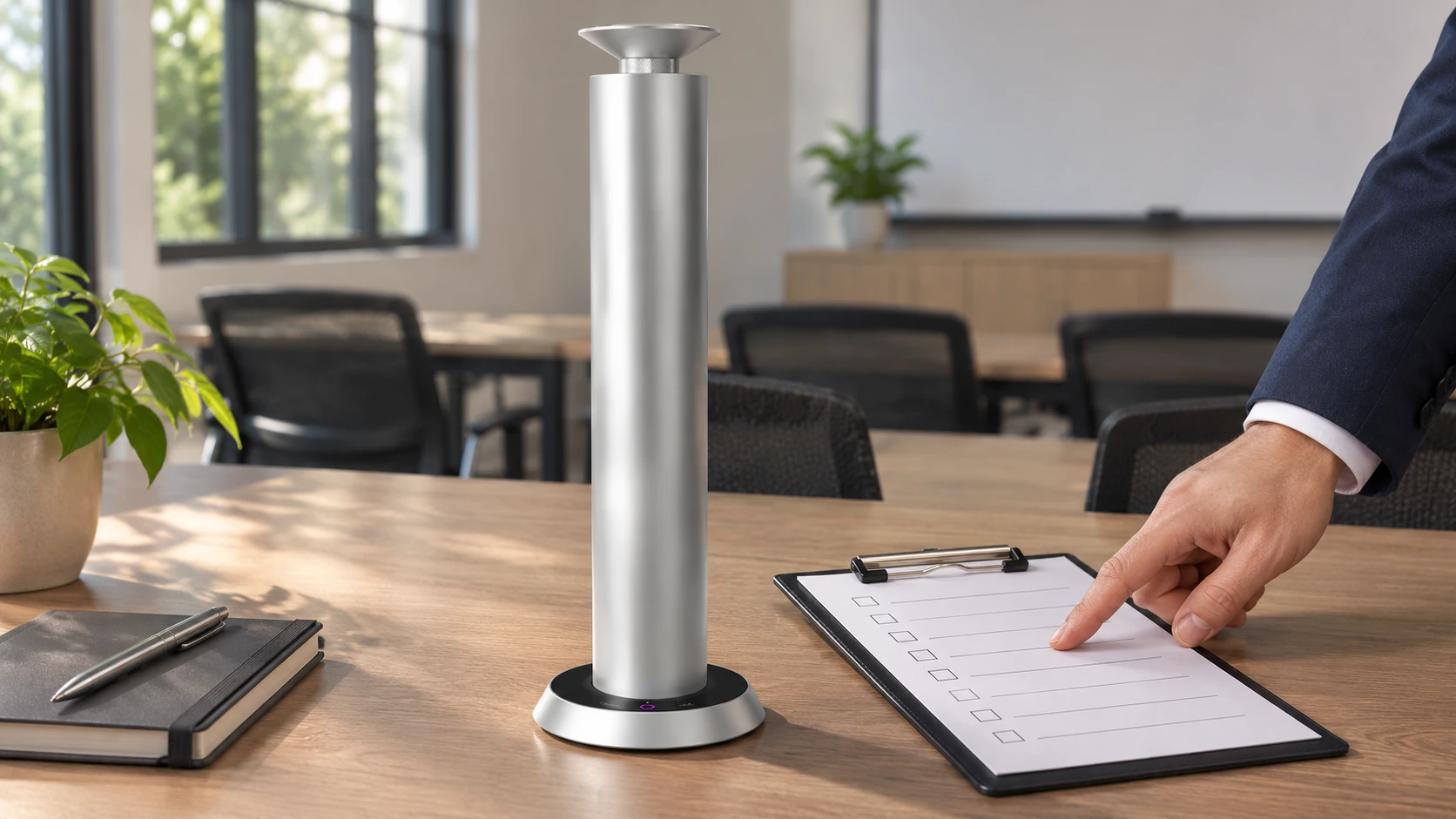
Identify the approved fragrance and the relevant refill or replacement instruction before a demonstration. Use the model's required stopping, bottle-access and reassembly steps, keeping liquid away from electrical parts and the unit in the instructed orientation. Do not train staff to pour through an outlet, add water, improvise a solvent or exceed an undocumented fill limit. If a practical step cannot be demonstrated safely with the actual unit, explain the limitation and arrange the proper supervised session. A picture of a closed machine does not prove a person can perform the routine.
4. Check the record and the ordinary handover
Have the operator make a short entry that identifies the machine, approved oil, action, date and relevant observation. Include the agreed program when settings have changed, so another shift does not guess the previous arrangement. Show where the latest instruction and support details are stored. Ask the employee to explain what they would tell the next operator if the oil identity or a setting was uncertain. Good records are practical aids, not permission to continue operating through an unexplained fault. Avoid collecting unnecessary personal information in routine logs.

5. Practice recognizing the boundary for support
Use simple discussion examples: an unclear instruction, a damaged cable, leakage, a missing matched part or a unit that cannot be reassembled normally. Ask the operator to explain when they would stop and whom they would contact. Do not create a real fault, expose live components or ask staff to open the housing as a test. The reviewed SP01 and MiniPro materials set limits around internal service. Recognizing that limit is part of successful operator training, not a failure to become self-sufficient. Support should receive factual observations rather than an invented diagnosis.
6. Use a show-back record rather than an attendance tick
Record the model and instruction revision, tasks demonstrated, tasks performed by the operator, unresolved questions and the person responsible for follow-up. A useful result might be ready for normal operation, needs another supervised refill session or must not perform a particular task. Do not issue a generic technical-service qualification from a routine handover. Review the training after a model, program, instruction or staff-role change. The goal is an operator who can find and use the correct routine, maintain a useful record and stop at the appropriate boundary.
Frequently asked questions
Does SP01 training cover MiniPro automatically?
No. Use the actual model and current instructions for its controls, bottle access and permitted care. Similar fragrance purposes do not make the operating routines identical.
Should training include opening the diffuser housing?
Not as ordinary operator training. Keep internal repairs and electrical work within the product's authorized service arrangements. Teach staff to recognize when support is needed.
How can a manager check that training worked?
Ask the operator to demonstrate permitted tasks and explain stopping and escalation points with the correct instructions available. Record remaining gaps rather than relying only on attendance.
Plan your next step
Ask Aromaprox for the current SP01 or MiniPro operating instructions before planning a staff demonstration. Name the tasks your employees are expected to perform and confirm the support boundary. Build a model-specific show-back checklist instead of assuming every staff member should carry out repairs.
Related resources
- SP01
- MiniPro
- Scent Diffuser User Maintenance vs Repair: Where to Stop
- Scent Diffuser Control Accessibility: A Practical Usability Review
- Scent Diffuser Remote Control vs App: Choose by Daily Tasks
Images are AI-generated editorial scenarios based on Aromaprox product reference photographs. They are not test records, installation instructions or a statement of included accessories. Confirm the exact model, finish and current specifications before ordering.


