
Scent Diffuser User Maintenance vs Repair: Where to Stop
Scent diffuser user maintenance vs repair is a boundary every owner should understand before opening a device. A removable fragrance bottle does not mean the pump, battery or control board is user-serviceable. The Aromaprox SP01 and MiniPro instructions describe routine handling, but also warn against unauthorized internal work. This guide explains how to organize care and support without turning a fault table into permission to dismantle the machine.
1. Separate user access from internal access
SP01's manual describes opening its cover to access the oil bottle, while also warning not to open the inside of the device. These statements refer to different boundaries. A designated refill compartment is not permission to remove the casing around electrical or pumping components. MiniPro likewise describes bottle handling but warns non-technicians against modification, disassembly or repair. Identify the user-accessible parts in the actual diagram before starting. If reaching a part requires an undocumented action or removing the structural housing, stop and ask support.
2. Follow the refill method for the specific model
SP01 instructions describe removing and opening the oil bottle, adding approved waterless diffuser oil, closing it correctly and returning it to its intended position. MiniPro uses its own atomizer-and-bottle removal sequence, with a two-minute stop before oil replacement described in the reviewed manual. Do not mix these sequences or invent one procedure for every diffuser. Prepare a suitable work area, stop the unit as instructed and keep the filled assembly upright. Confirm the supplied manual's revision when the actual parts differ from the diagram.
3. Treat cleaning guidance as model-specific
The SP01 manual identifies an oil-pipe filter and describes attention to that filter when changing oil. That does not prove that every Aromaprox model has the same accessible filter or permits the same cleaning method. Use the approved cleaning agent, sequence and access points for the unit in front of you. Do not substitute a strong solvent, immerse the machine or insert tools into an opening based on an unrelated tutorial. When instructions are unclear or the part does not release normally, request clarification instead of applying more force.
4. Recognize the signs that end a user task
Visible cable or supply damage, liquid reaching electrical areas, unusual heat, a burning smell or a damaged enclosure are reasons to stop using the device and seek qualified help. Do not keep restarting it to see whether the problem clears. For a leak, record where liquid is visible without opening internal assemblies or touching wet electrical parts. Follow the manufacturer's safe shutdown and isolation guidance where it is safe to do so. A pump or battery replacement is not a routine refill task, even if an online fault table names that component.

5. Send support useful evidence without disassembly
Provide the exact model, order reference, current instructions, approved power arrangement and the symptom. Record whether the issue started after a refill, relocation or setting change. Photographs of accessible areas and indicators can help; never open the case or create a hazardous demonstration just to obtain a picture. Describe observations rather than diagnosing a failed part from noise alone. Ask whether the next step is an approved user check, a replacement consumable or a service return, and obtain the corresponding instructions before proceeding.
6. Keep a care record and prepare returns correctly
Record refill identity, the care task performed, the date and any abnormal observation. This helps distinguish routine work from a recurring problem and supports an orderly handover between operators. It is not a guarantee of fault-free service or a substitute for the manual. Before moving or returning a unit, obtain the model-specific preparation and packing directions, including how fragrance liquid must be handled. The MiniPro manual calls for preparation before transport. Do not ship a filled operating device or assume that closing its cover alone makes it ready for courier handling.
Frequently asked questions
Can I replace a pump if it is mentioned in the troubleshooting table?
A possible fault description does not authorize an untrained user to repair internal parts. Follow the manual's access restrictions and contact after-sales support.
Does cleaning guidance for SP01 apply to MiniPro?
Not automatically. Each model's accessible parts, cleaning method and handling sequence must be checked in its matching instructions.
What should I send when requesting support?
Send the exact model, order reference, symptom, relevant operating state and safe photographs of accessible areas. Do not disassemble the device to gather evidence.
Plan your next step
Contact Aromaprox with your SP01 or MiniPro model details before crossing from documented user care into internal work. Ask for the exact next step and the correct preparation if a service return is required.
Related resources
- SP01
- MiniPro
- Scent Diffuser Atomizer Cleaning: How to Prevent Clogging and Weak Output
- Waterless Scent Diffuser Troubleshooting: Why Is My Diffuser Not Producing Fragrance?
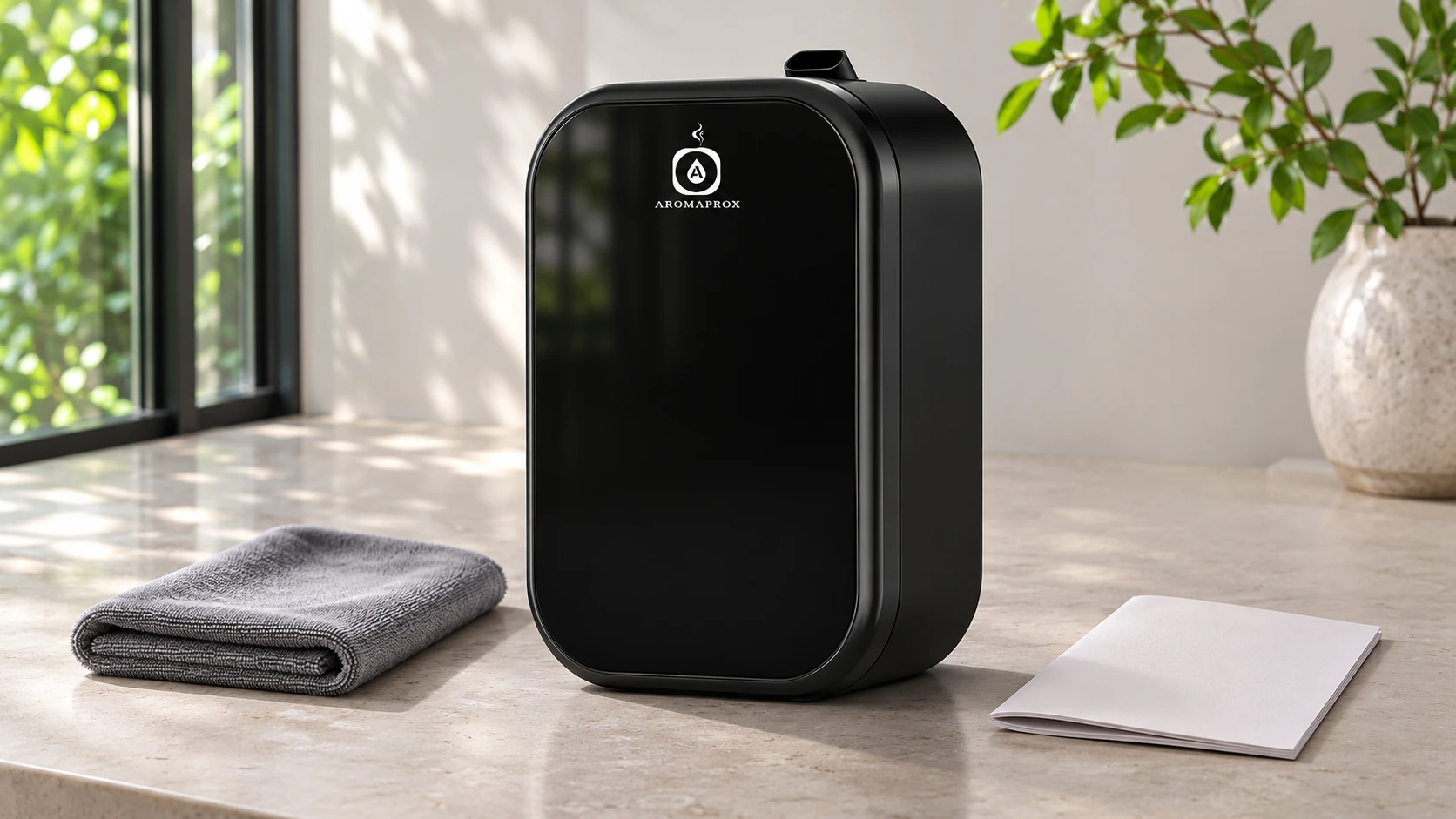
Images are AI-generated editorial scenarios based on Aromaprox product reference photographs. They are not test records, installation instructions or a statement of included accessories. Confirm the exact model, finish and current specifications before ordering.


