
Scent Diffuser Spare Parts Kit: Build It by Model and Task
A scent diffuser spare parts kit should help the right person perform an approved task, not encourage staff to dismantle equipment. SP01 and MiniPro documentation identifies different bottle and atomization arrangements and sets limits on user maintenance. A practical kit therefore begins with model identity and service responsibility. It is not a bag of apparently similar parts, and a component appearing in a diagram does not establish that an operator may replace it.
1. Begin with the machines actually installed
Record each model, revision or available identification, quantity, responsible location and current manual. Keep SP01 and MiniPro entries separate rather than using a single label such as room diffuser. Where a revision is unclear, send identifying photographs to the supplier before ordering. The purpose is to match a future service need to a known configuration. Do not turn an old price-list entry into a promise that the same part remains available or interchangeable with a later unit. Confirm the current supply situation in writing.
2. Classify items by the task they support
Use three practical categories: approved consumables, items explicitly permitted for operator replacement, and components reserved for qualified service. The same-looking item can belong to a different category on another machine. An oil bottle shown in a user refill sequence is not equivalent to an internal pump shown in a fault discussion. Ask who may perform each replacement and which instructions apply. If the supplier has not authorized a staff task, do not package it as a routine front-desk procedure merely because a replacement component can be purchased.
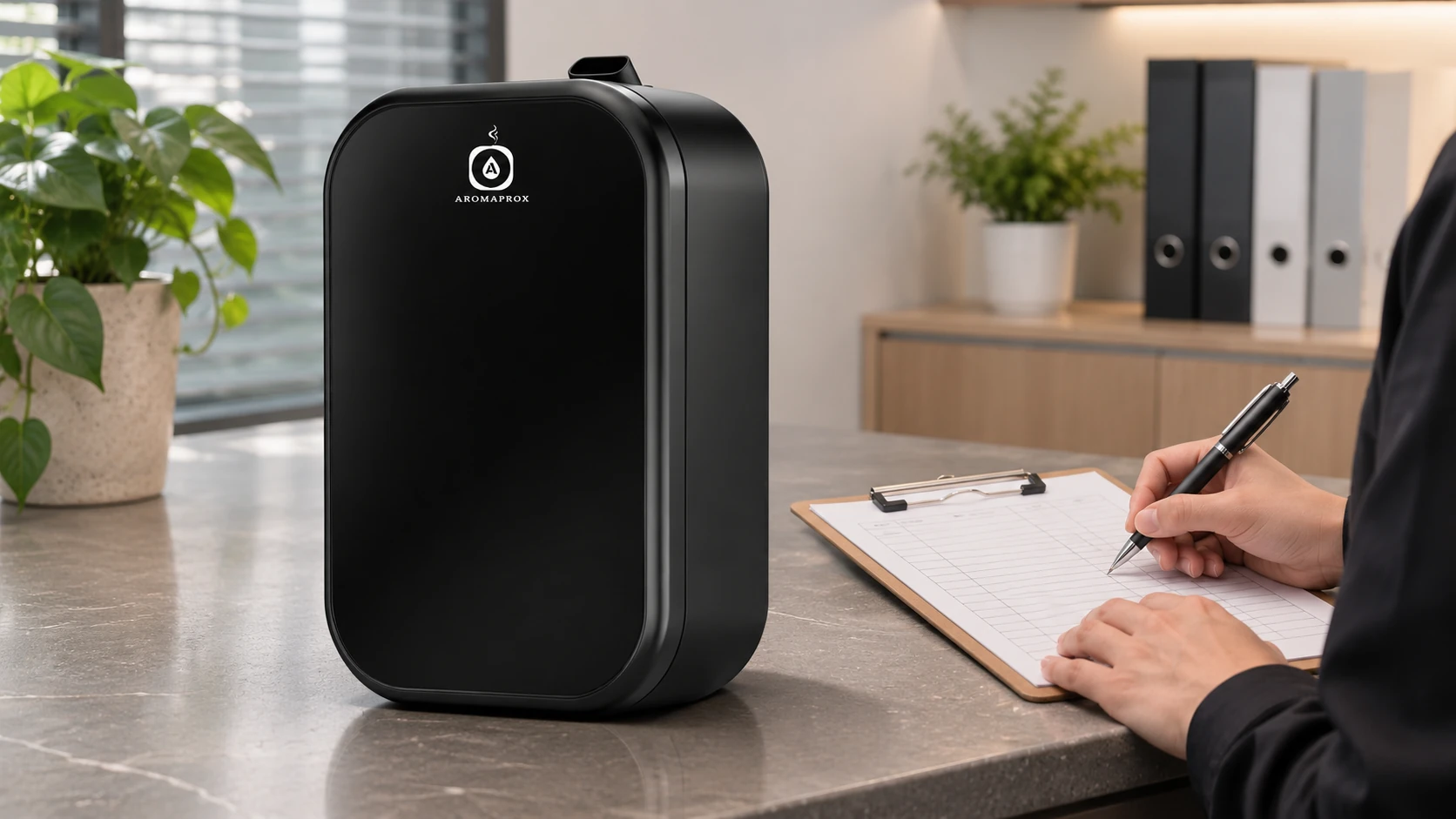
3. Match the whole part, not just its name
The SP01 manual names a bottle, sealing ring, suction pipe and filter screen, but those names alone are not complete ordering specifications. Request the exact compatible item, any assembly relationship and the supplied revision. MiniPro documentation shows a different physical bottle and atomizer arrangement. Do not choose a generic gasket by color, cut tubing to an assumed length or use a third-party bottle because its capacity looks similar. Keep the supplier's matching confirmation with the kit so a later employee does not repeat the comparison from memory.
4. Set quantities from service needs and replenishment time
Ask which items are normally replenished, what lead time applies and how an approved replacement reaches the site. Base a proposed quantity on the installed fleet and the practical effect of an unavailable item, not an invented universal failure rate. A small site with quick supply may need a different arrangement from several distant locations. Keep spare complete machines separate from a parts kit: they solve different problems. Where compatibility or stock availability is unresolved, mark the entry as awaiting confirmation instead of silently substituting something that fits approximately.
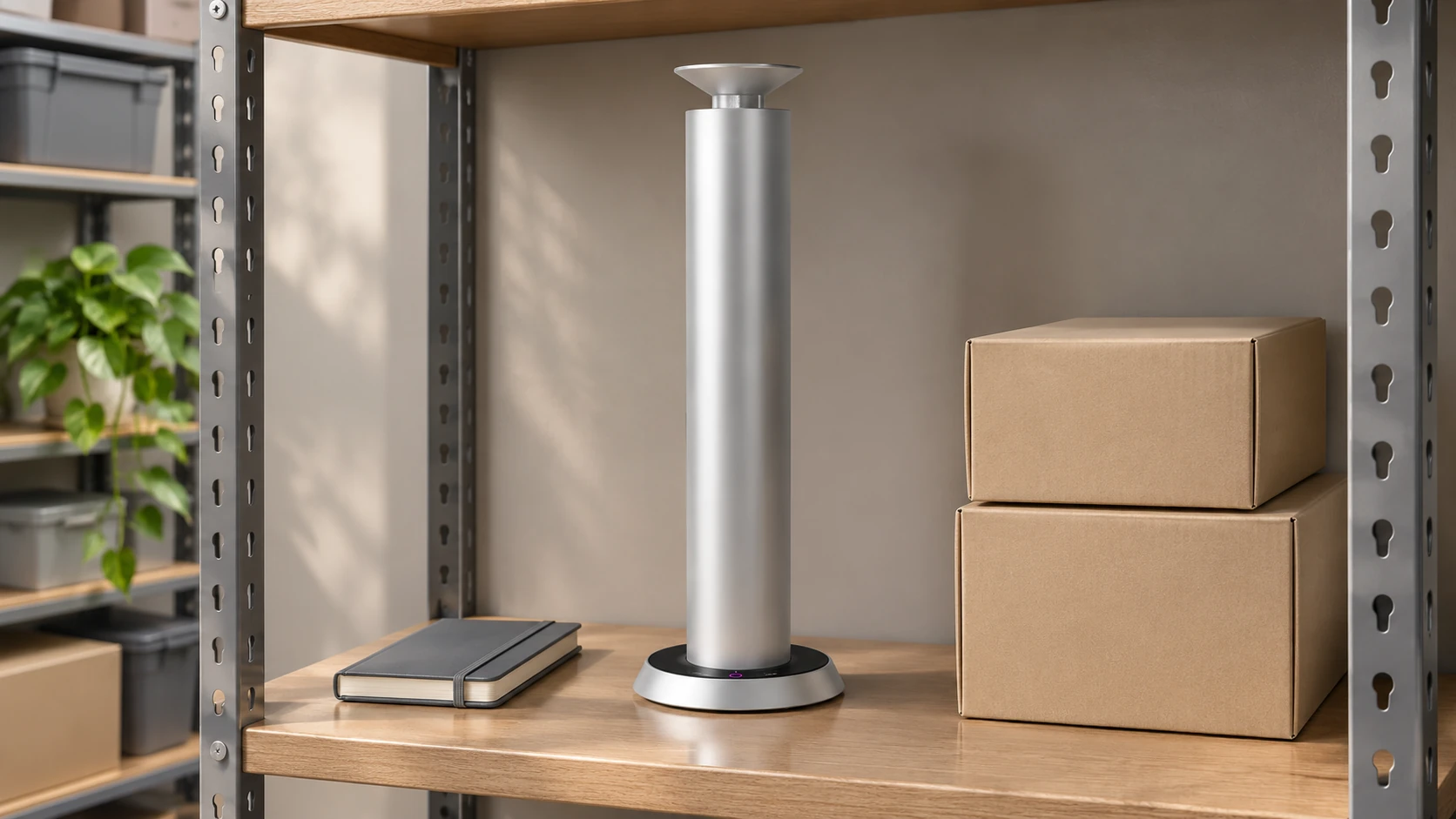
5. Store and label without creating new risks
Keep approved components in their appropriate original or agreed protective packaging, identified by model, revision and item code where supplied. Separate clean unused parts from returned or unidentified pieces. Follow any storage and handling instructions rather than inventing shelf-life claims. Keep fragrance containers closed and apart from electrical items that could be affected by a spill. A closed-device illustration is not evidence that all parts pictured elsewhere are included or user-replaceable. Do not use the kit as permission to perform electrical or internal repairs on a customer counter.
6. Give each withdrawal a reason and an approval trail
A simple kit record should show the machine concerned, observed need, item issued, compatible version, authorized person and replenishment action. Retain removed or faulty items according to supplier instructions instead of mixing them back into unused stock. If a problem repeats, stop replacing parts at random and request diagnosis. Review the list when a device revision changes or a model is phased out. This makes the kit a controlled support resource rather than an informal repair assortment, while preserving the boundaries in the product's actual user manual.
Frequently asked questions
Does a parts diagram authorize staff to replace every component?
No. Identification and repair permission are different. Follow the manual and supplier confirmation for the exact task; internal or electrical work may require qualified service.
Can SP01 and MiniPro share the same spare bottle or seal?
Do not assume so. Ask for compatible item numbers and revision confirmation for each model. Similar shape, naming or capacity is insufficient evidence.
How many spare parts should every store hold?
There is no universal quantity here. Consider the installed units, approved tasks, supply lead time and effect of downtime, using supplier information rather than an invented failure rate.
Plan your next step
Send Aromaprox an inventory of your SP01 or MiniPro installations and the tasks your staff are expected to perform. Request a current compatible-parts list with replacement authority and availability. Keep service-only items and unresolved substitutions outside the ordinary operator kit.
Related resources
- SP01
- MiniPro
- Scent Diffuser User Maintenance vs Repair: Where to Stop
- Scent Diffuser Power Adapter Compatibility: Check More Than Fit
Images are AI-generated editorial scenarios based on Aromaprox product reference photographs. They are not test records, installation instructions or a statement of included accessories. Confirm the exact model, finish and current specifications before ordering.


