
Scent Intensity vs Longevity: Why Stronger Is Not Always Better
Scent intensity vs longevity describes two different questions: how strong does a fragrance seem now, and how long does it remain noticeable under stated conditions? A powerful first impression does not establish a long-lasting room experience. For a home, showroom or shared lounge, the useful goal is an appropriate, repeatable fragrance level—not the strongest possible smell.
1. Separate three meanings of lasting longer
A supplier may use long-lasting to describe fragrance remaining in a room, a large refill lasting between services, or a machine operating for several days. These are not interchangeable claims. Ask which outcome is being described, whether the diffuser stays on, and what room and schedule were used. A bottle that lasts longer because output is reduced does not automatically create a more persistent scent. Write the measurement boundary beside every comparison.
2. Judge intensity where people actually spend time
Check the entrance, normal seating positions and the area closest to the device separately. Standing directly over an outlet gives a different experience from sitting across the room. Keep the approved fragrance, device mode and room use consistent. Use simple descriptions such as not noticeable, subtle, clear or too strong, and record the observation location. These are practical experience ratings, not chemical concentration measurements or evidence of safety.
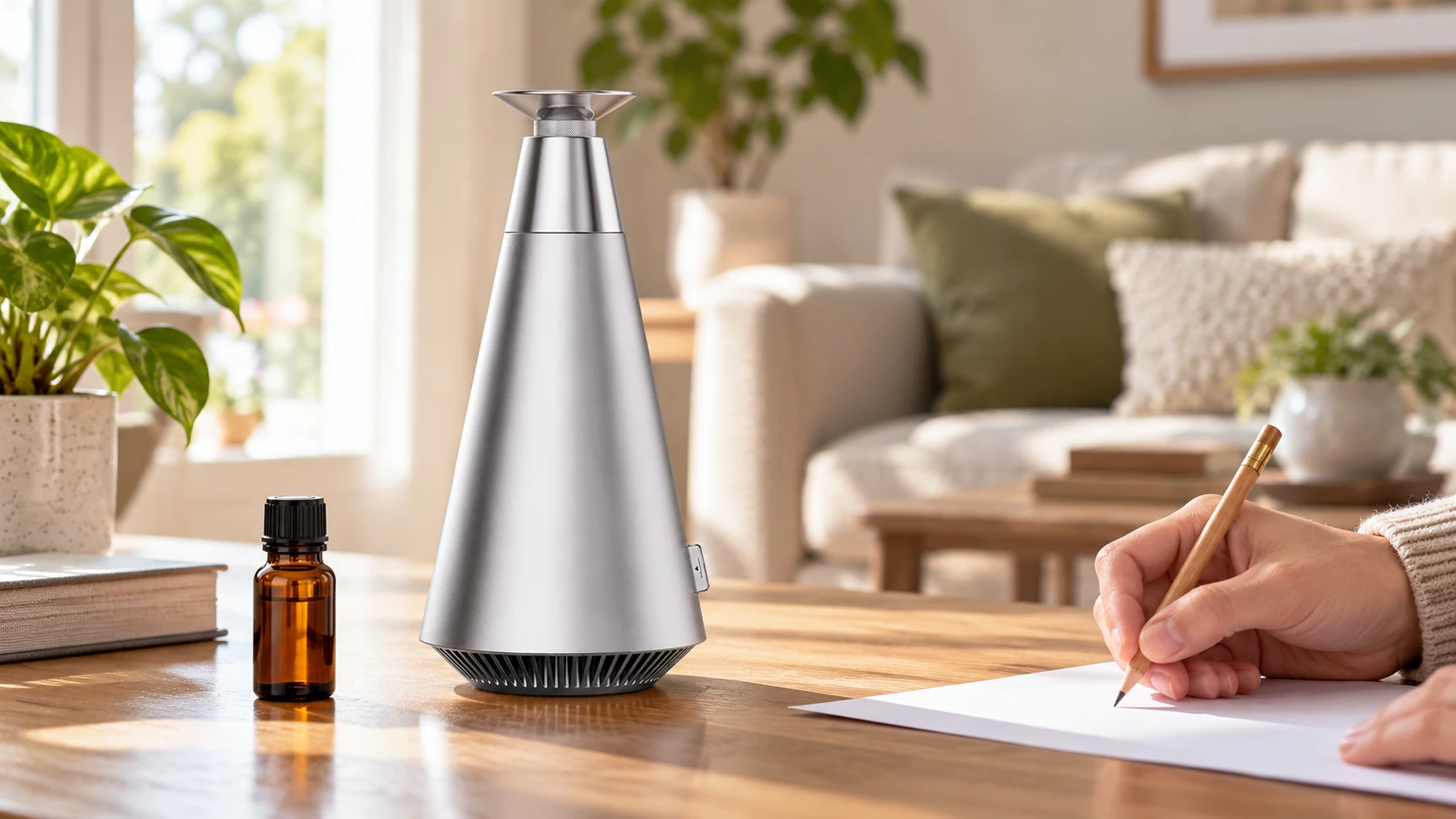
3. Define the longevity question before observing
Choose whether you want consistent fragrance during an operating window or residual scent after the machine stops. For the first question, inspect several moments during normal operation. For the second, record when output stops and observe the same positions later without adding more fragrance. Do not combine the two records. A diffuser that periodically replenishes the room can maintain an experience without proving that the fragrance itself persists for the entire day.
4. Keep the comparison conditions visible
Record room layout, doors, normal ventilation, fragrance identity, operating profile and observation times. Avoid comparing a busy open entrance with an enclosed quiet room as if they were equivalent. Invite willing observers to give separate comments before discussing a group impression. Odor perception involves the person's sensory system, not just the liquid or appliance. NIDCD: The Journey of Smell to the Brain No single observer or informal room check establishes a universal performance claim.
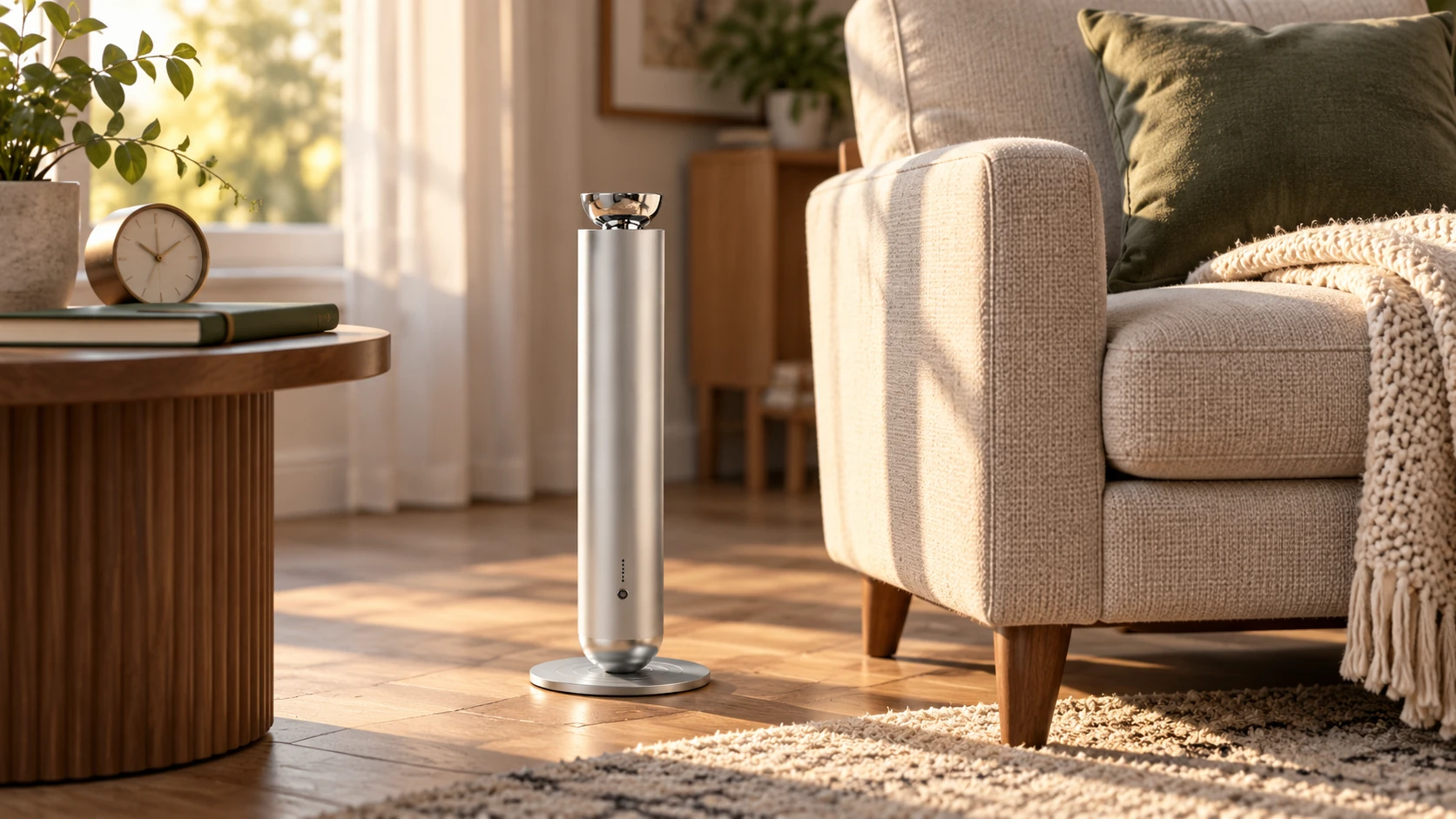
5. Adjust toward comfort, not a maximum score
If the entrance feels overpowering but a distant seat feels weak, simply increasing output may make the imbalance worse. Review the approved placement and the purpose of the space first. If the fragrance is already comfortable while running, there may be no reason to seek more residual scent after shutdown. Stop adding fragrance when people object or report discomfort. Never restrict needed ventilation to make a persistence demonstration look better.
6. Turn observations into a useful buying brief
Summarize the outcome in operational terms: the intended room, acceptable experience at occupied positions, operating periods and who can adjust settings. Keep refill consumption and battery runtime in separate records. When considering models such as DecoPro or DecoPlus, ask for current instructions and an evaluation relevant to your site rather than treating a lifestyle photograph as performance evidence. Revisit the brief when the fragrance, furniture or room use changes.
Frequently asked questions
Does a stronger fragrance always last longer?
No. Perceived strength at one moment and persistence over time answer different questions. Compare them under stated conditions rather than assuming one predicts the other.
Is refill life the same as fragrance longevity?
No. Refill life concerns the liquid used over an operating schedule. Room longevity concerns how long the fragrance remains noticeable in a particular environment.
Should I close ventilation to keep the scent longer?
Do not reduce needed ventilation for fragrance. Evaluate the diffuser within the room's normal, appropriate operating conditions and choose an unscented approach when necessary.
Plan your next step
Tell Aromaprox the experience you want while the room is occupied, not just that you want a stronger scent. Discuss the exact model, fragrance and operating conditions before selecting a configuration.
Related resources
Sources and further reading
Images are AI-generated editorial scenarios based on Aromaprox product reference photographs. They are not test records, installation instructions or a statement of included accessories. Confirm the exact model, finish and current specifications before ordering.


