
Commercial Scent Diffuser Oil Consumption: How Much Oil Does It Use?
Commercial scent diffuser oil consumption depends on the machine, output setting, programmed duty cycle, daily operating hours, oil formulation and site conditions. Bottle size alone does not reveal monthly cost. The most reliable forecast combines a rated consumption value with a measured on-site refill log.
1. Use the Correct Consumption Formula
Estimated monthly oil = rated ml/hour × active-duty fraction × hours/day × days/month.
Example: a machine rated at 2 ml/hour while actively atomizing, programmed to be active 25% of eight operating hours for 26 days, gives 2 × 0.25 × 8 × 26 = 104 ml. This is a planning example, not a specification for every model.
2. Distinguish Active Output From Clock Time
A diffuser can remain powered for eight hours without atomizing continuously. Work/pause cycles and intensity settings determine active output. Use the current manual or quotation for the exact model and setting.
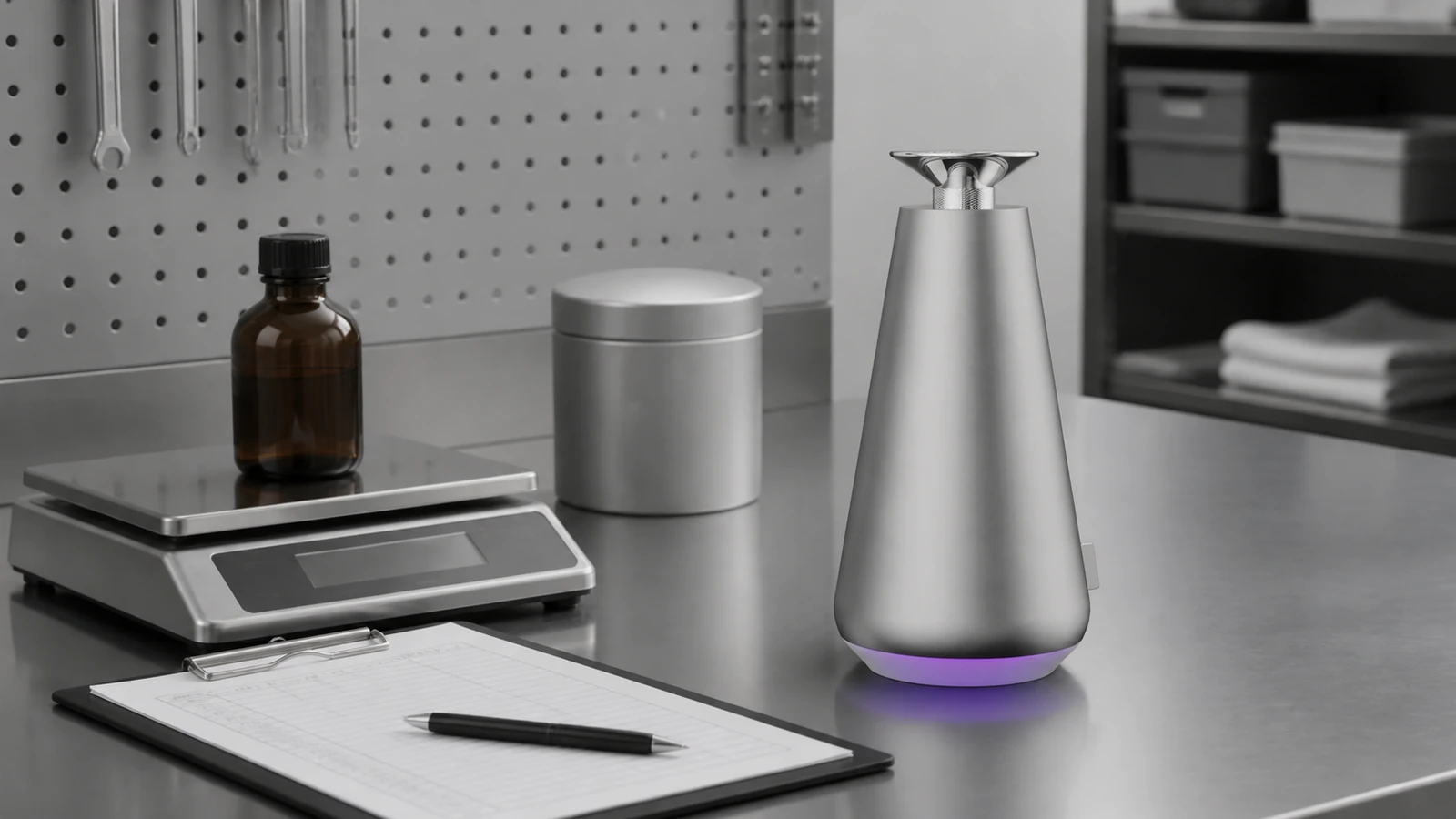
3. Measure Real Use During a Trial
Record the starting oil quantity, approved program and operating days. Measure remaining oil with the same method after a representative period. Avoid changing fragrance, machine position and schedule simultaneously.
4. Account for Site Conditions
Open doors, high ceilings and exhaust can tempt staff to increase output. Before doing so, verify placement and zone design. Correcting a poor location can reduce consumption without weakening the intended experience.
5. Build a Refill Forecast
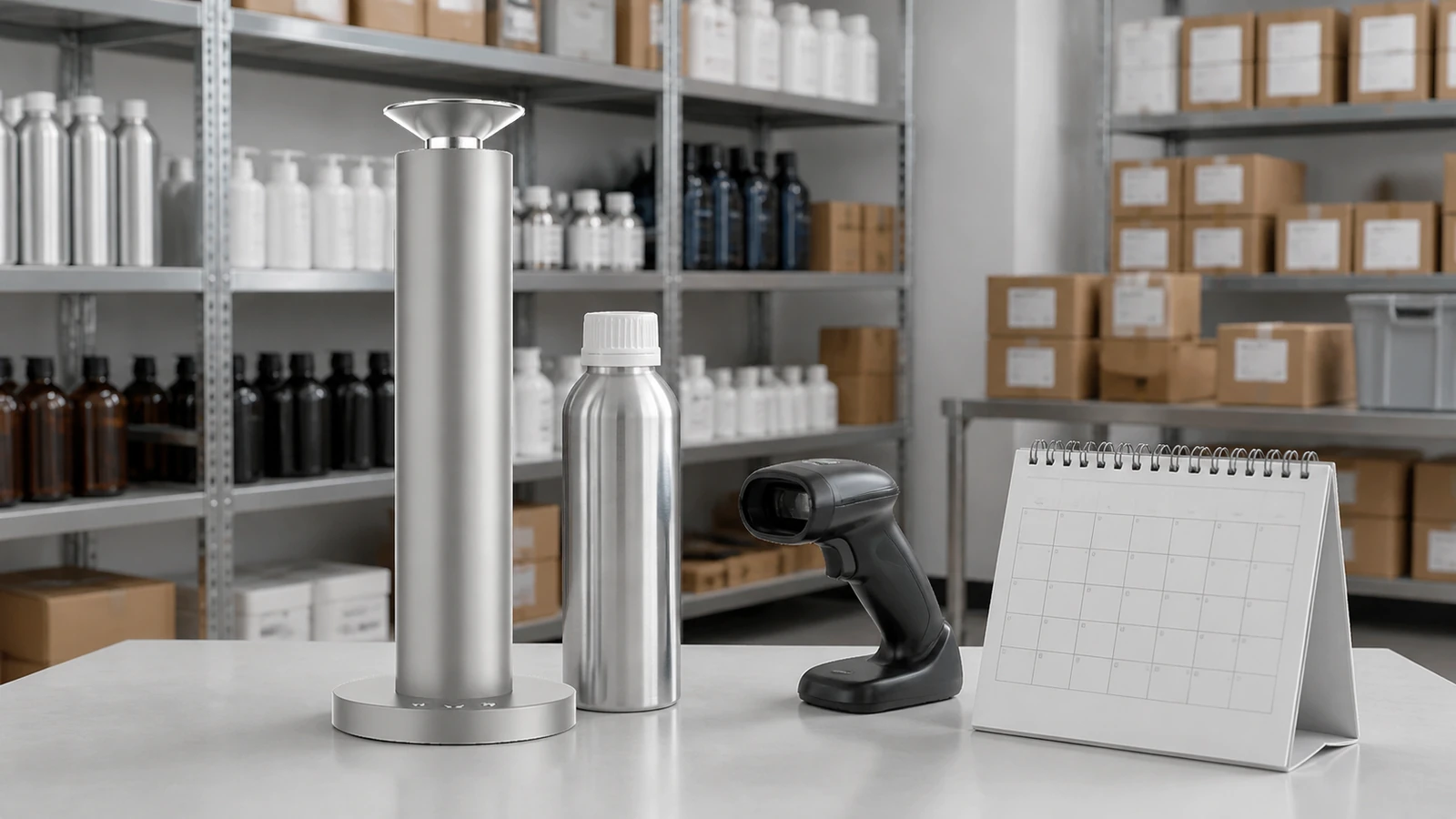
For multiple locations, calculate average daily use, lead time and safety stock for each oil. Track product, fragrance batch, bottle size, refill date and quantity. Use the Aromaprox scent oil range as the commercial landing page, while this article remains focused on consumption planning.
6. Control Cost Without Under-Scenting
- Operate only during useful hours.
- Start low and change one setting at a time.
- Correct airflow and placement problems first.
- Train one owner per site.
- Compare oil use with visitor feedback, not cost alone.
Implementation Checklist
Before rollout, turn the recommendations into a written site plan. Record the intended zone, product model, exact position, approved fragrance, starting program, operating hours and person responsible for refilling and inspection. Photograph the approved installation and retain the current product instructions with the maintenance record.
- Confirm the objective and target zone.
- Verify the current product specification.
- Review airflow, access, power and safety.
- Begin with a conservative program.
- Evaluate at more than one time of day.
- Collect feedback from new visitors as well as staff.
- Record oil use, maintenance and setting changes.
- Review the plan after layout, season or ventilation changes.
A documented baseline prevents different locations or team members from making uncoordinated changes. It also provides first-party operating data that can improve future product selection, refill forecasting and multi-site quality control.
Frequently Asked Questions
How long does 500 ml of fragrance oil last?
Divide 500 ml by the measured average daily use for the exact machine and program.
Does a higher setting always improve coverage?
No. Poor placement or airflow may cause uneven coverage even when consumption increases.
Why does oil use change between locations?
Duty cycle, operating hours, airflow, doors, temperature and staff adjustments can all differ.
How should distributors forecast refills?
Use a representative trial, add procurement lead time and maintain safety stock by fragrance and site.
Forecast Oil From Real Operating Data
Ask for current model consumption information through Aromaprox and validate it in the intended space.


