
Cosmetic vs Structural Diffuser Customization: Define the Change
Cosmetic vs structural diffuser customization becomes easier to manage when a brand separates appearance requests from changes that affect the product's construction. A new color brief, a printed front panel and a revised enclosure do not create the same engineering question. Aromaprox offers customization services, and its SP01 material describes a customizable front-panel option. That offering is a starting point for a project discussion, not proof that every change is available on every model without development or further checks.
1. Establish the reference product before designing a variation
Start with the model, revision, actual sample and the parts that must remain unchanged. For SP01, identify the supplied front panel and housing; for CarPro, identify the current body, cap and bottle arrangement. Photograph the sample from useful angles and record the approved finish. A product name alone may not identify the exact version being quoted. Keep this reference with the change request so a designer, buyer and production team are not comparing different starting points. Do not rely on an AI scene image as a dimensional drawing or an approved customized sample.
2. Define cosmetic requests in measurable terms
A color or logo request should specify the affected surface, finish reference, artwork, location and acceptable appearance. Ask how the proposed decoration is applied to that specific material and which physical sample will be approved. Similar screen colors are not a reliable acceptance standard. SP01's documented front-panel customization option does not mean an arbitrary film, coating or adhesive is approved everywhere on the machine. Keep outlets, labels, seams and operating access unobstructed. Ask the supplier to evaluate the actual decoration process rather than describing all appearance changes as risk-free.
3. Identify changes that may affect structure or normal use
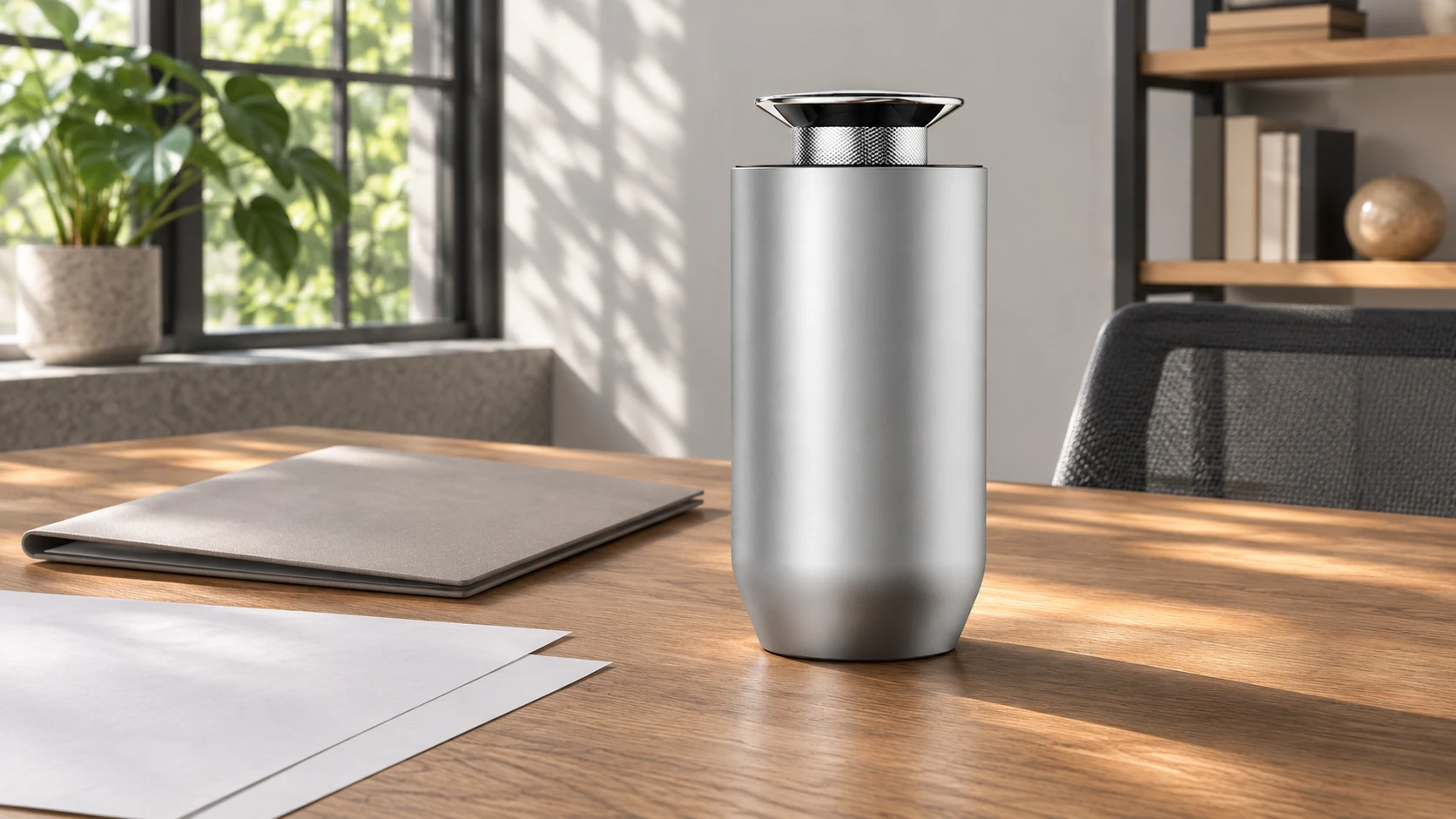
Changing body dimensions, panel thickness, fastening, the base or access to the oil bottle can affect more than appearance. Moving a control, changing a cap or revising an opening also needs a technical review. Do not assume that a new enclosure can be fitted around unchanged internal parts without consequences. Request an assessment of assembly, fit, operation, service access and any applicable verification. This article does not propose a new SP01 structure or a modified CarPro oil path; it explains how to keep those requests distinct from a simple visual brief.
4. Keep optional software and packaging in their own workstreams
A logo on the housing, a translated manual, a branded box and an app-development request require different deliverables. A custom brand presentation does not automatically include new control functions or an independent lighting mode. Record the exact interface, language, ownership and support scope if software is proposed. Packaging work should still match the approved product and distribution plan. Separating these items prevents a buyer from assuming that approval of exterior artwork also approves instructions, connected features or a revised installation method. Use the quotation to state what is included and what remains subject to development.

5. Agree what the changed sample must demonstrate
For each change, record the proposed specification, sample requirement, evaluation method, responsible party and open question. Compare the physical sample with the reference, including normal access and the confirmed controls. Ask whether the change affects earlier reports or market-specific documentation; do not assume an existing certificate covers an altered construction. If a requirement is not yet demonstrated, keep it pending. Acceptance should address the actual change rather than treating a pleasing photograph as proof of production readiness. Use the separate sample-approval process for the complete acceptance checklist.
6. Freeze an understandable scope before ordering
The final brief should name the reference product, approved variation, artwork revision, sample, included deliverables and excluded changes. Distinguish a confirmed offering from a proposed development and keep unresolved items outside the approved specification. If the brand later asks for a different panel or enclosure, issue a controlled revision instead of a casual message that leaves two competing versions. A clear scope helps Aromaprox explain the project accurately and helps your team compare quotations without treating a minor-looking visual adjustment as an automatically simple manufacturing change.
Frequently asked questions
Is every color change only cosmetic?
Not necessarily. The material, finish process and affected surfaces need review. A visual change can still affect fit, markings or required evaluation, so confirm the actual proposal.
Does SP01 front-panel customization include a new housing?
Do not assume so. Identify the documented panel option and ask for a separate assessment if dimensions, fastening, enclosure or access arrangements will change.
Does a branded diffuser automatically include a branded app?
No. Exterior branding and software work are separate scopes. Confirm supported functions, development deliverables, ownership and ongoing support before ordering.
Plan your next step
Send Aromaprox an identified SP01 or CarPro reference and a marked change brief. Separate color and artwork from panel, structure, software and packaging requests. Ask which items are confirmed options and which require a new technical assessment and physical sample.
Related resources
- SP01
- CarPro
- Private Label Aroma Diffusers: A Complete OEM/ODM Guide for Brands
- OEM Aroma Diffuser Sample Approval: A Step-by-Step Buyer Checklist
- Custom Aroma Diffuser Packaging: Logo, Color, Inserts and Retail Boxes
Images are AI-generated editorial scenarios based on Aromaprox product reference photographs. They are not test records, installation instructions or a statement of included accessories. Confirm the exact model, finish and current specifications before ordering.


