
Retail Store Scent Strategy: Zones, Intensity and Campaign Timing
A retail store scent strategy connects fragrance with the customer journey instead of treating scent as a background decoration. The entrance, discovery zone, fitting area and checkout have different dwell times, airflow and emotional roles. One coherent plan should control intensity, timing and staff adjustments across all zones.
1. Translate the Brand Into a Scent Brief
Describe the store using three to five sensory words and identify scents that would conflict with the merchandise. A premium fashion space may require restraint, while a seasonal gift shop can support a more expressive campaign.
2. Map the Customer Journey
Mark the threshold, hero display, browsing aisles, fitting rooms, service desk and checkout. Note where visitors pause and where exterior air enters. Avoid placing equipment where customers can touch it or where fragrance concentrates beside staff.
3. Create Distinct but Connected Zones
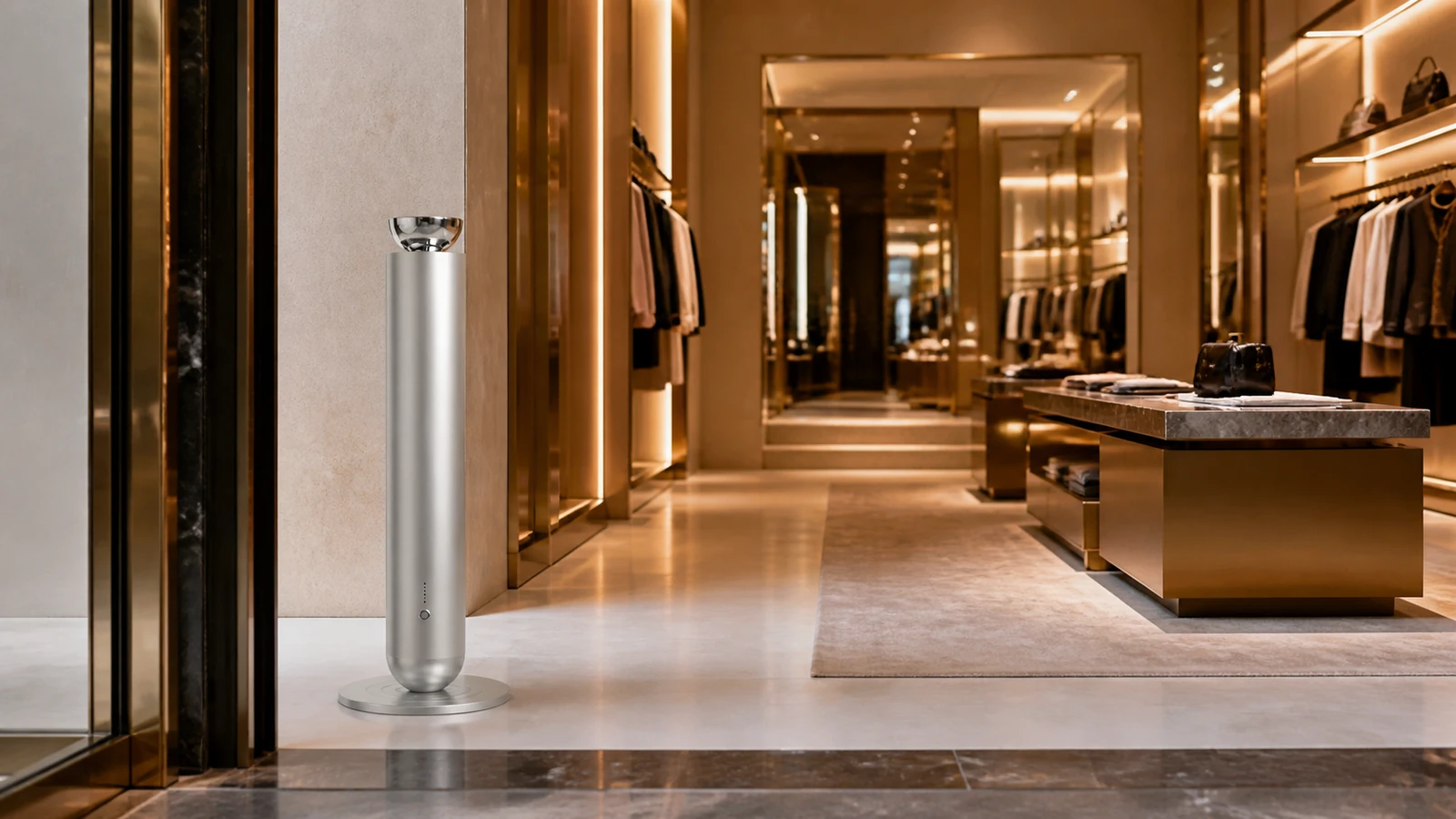
Use one recognizable fragrance identity with controlled intensity by zone. The entrance can deliver a clear first impression; fitting and consultation areas generally need a softer approach. Food and sensitive zones should be planned separately.
4. Match Hardware to Store Operations
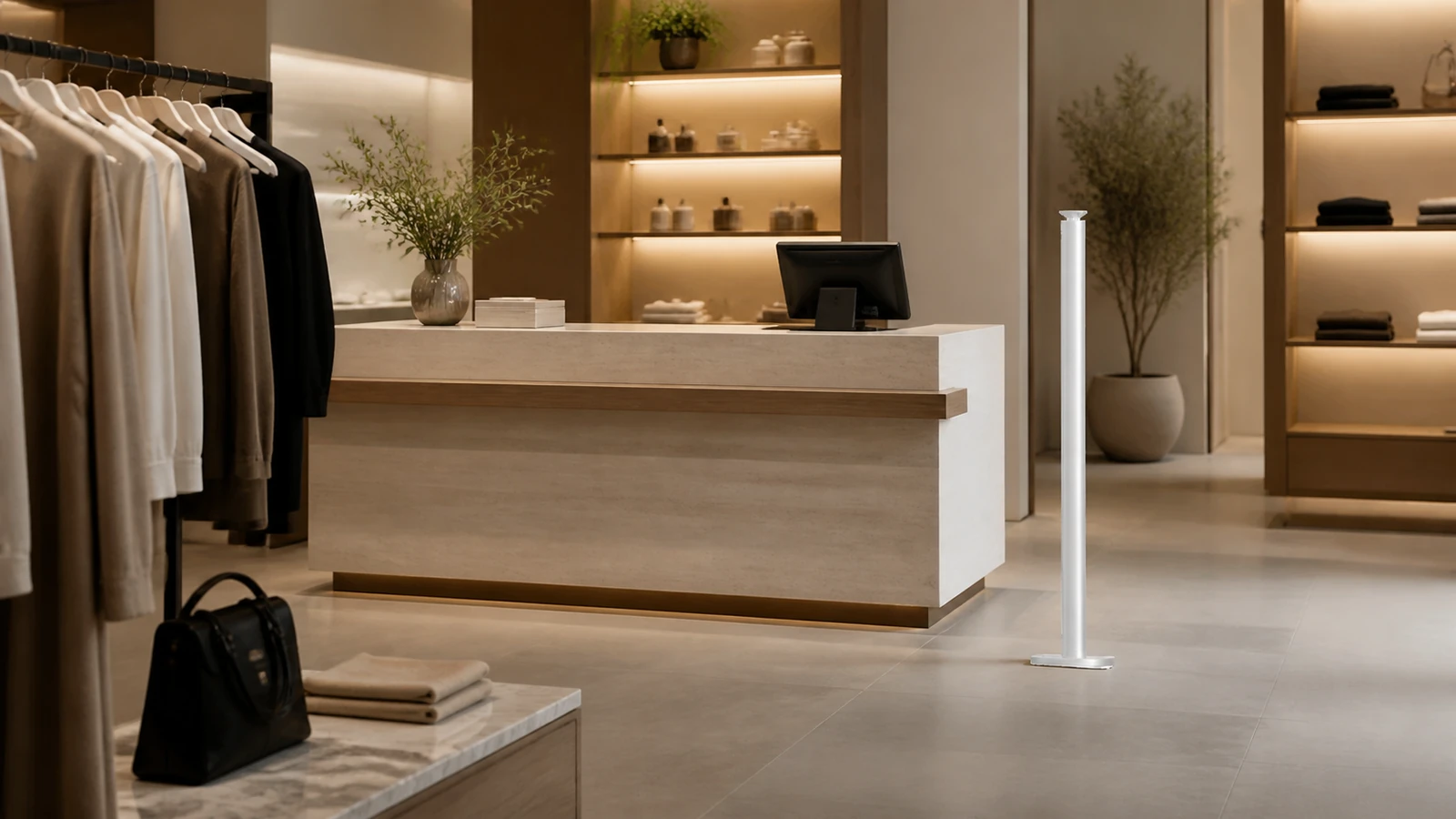
Visible products such as GX8000 can combine a defined floor position with retail communication, while slim portable formats can serve flexible zones. Compare current options through the business diffuser collection.
5. Schedule Campaigns Carefully
Align operating hours with store opening, cleaning and ventilation. For seasonal campaigns, change one variable at a time and preserve enough time to compare results. Maintain the same approved fragrance batch across comparable locations.
6. Measure the Test
Track dwell time, campaign engagement, staff feedback, complaints, oil use and refill labor. Do not claim that scent caused a sales change without a suitable comparison. A practical test uses comparable periods or locations and documents other changes.
Implementation Checklist
Before rollout, turn the recommendations into a written site plan. Record the intended zone, product model, exact position, approved fragrance, starting program, operating hours and person responsible for refilling and inspection. Photograph the approved installation and retain the current product instructions with the maintenance record.
- Confirm the objective and target zone.
- Verify the current product specification.
- Review airflow, access, power and safety.
- Begin with a conservative program.
- Evaluate at more than one time of day.
- Collect feedback from new visitors as well as staff.
- Record oil use, maintenance and setting changes.
- Review the plan after layout, season or ventilation changes.
A documented baseline prevents different locations or team members from making uncoordinated changes. It also provides first-party operating data that can improve future product selection, refill forecasting and multi-site quality control.
Frequently Asked Questions
Where should a retail diffuser be placed?
Choose a secure position with open airflow that supports a priority customer zone without concentrating scent beside staff.
Should every zone use the same intensity?
No. Keep a coherent fragrance identity but adjust intensity to dwell time, room size and airflow.
How often should a campaign scent change?
Change only when the brand or seasonal plan requires it and allow enough time for reliable comparison.
How can stores avoid over-scenting?
Start low, collect feedback from new arrivals and control changes through one authorized program owner.
Build a Repeatable Retail Scent Program
Connect the strategy to product selection with the commercial diffuser guide.


