
Gym Scenting System Guide: Placement, Member Comfort and Maintenance
A gym scenting system should support a clean, comfortable member experience without masking hygiene or ventilation problems. Reception, cardio, strength, locker and recovery zones produce different airflow and odor conditions, so one high-output setting is rarely the right solution.
1. Fix Odor Sources Before Adding Fragrance
Review cleaning schedules, damp materials, drains, laundry storage and ventilation. Fragrance should complement a clean environment, not conceal unresolved odor sources. Include the scent program in the facility indoor-air plan.
2. Divide the Gym Into Functional Zones
- Reception: controlled first impression.
- Cardio: active airflow and high occupancy.
- Strength: equipment density and cleaning products.
- Locker rooms: moisture and exhaust require separate planning.
- Recovery: lower, calmer intensity.
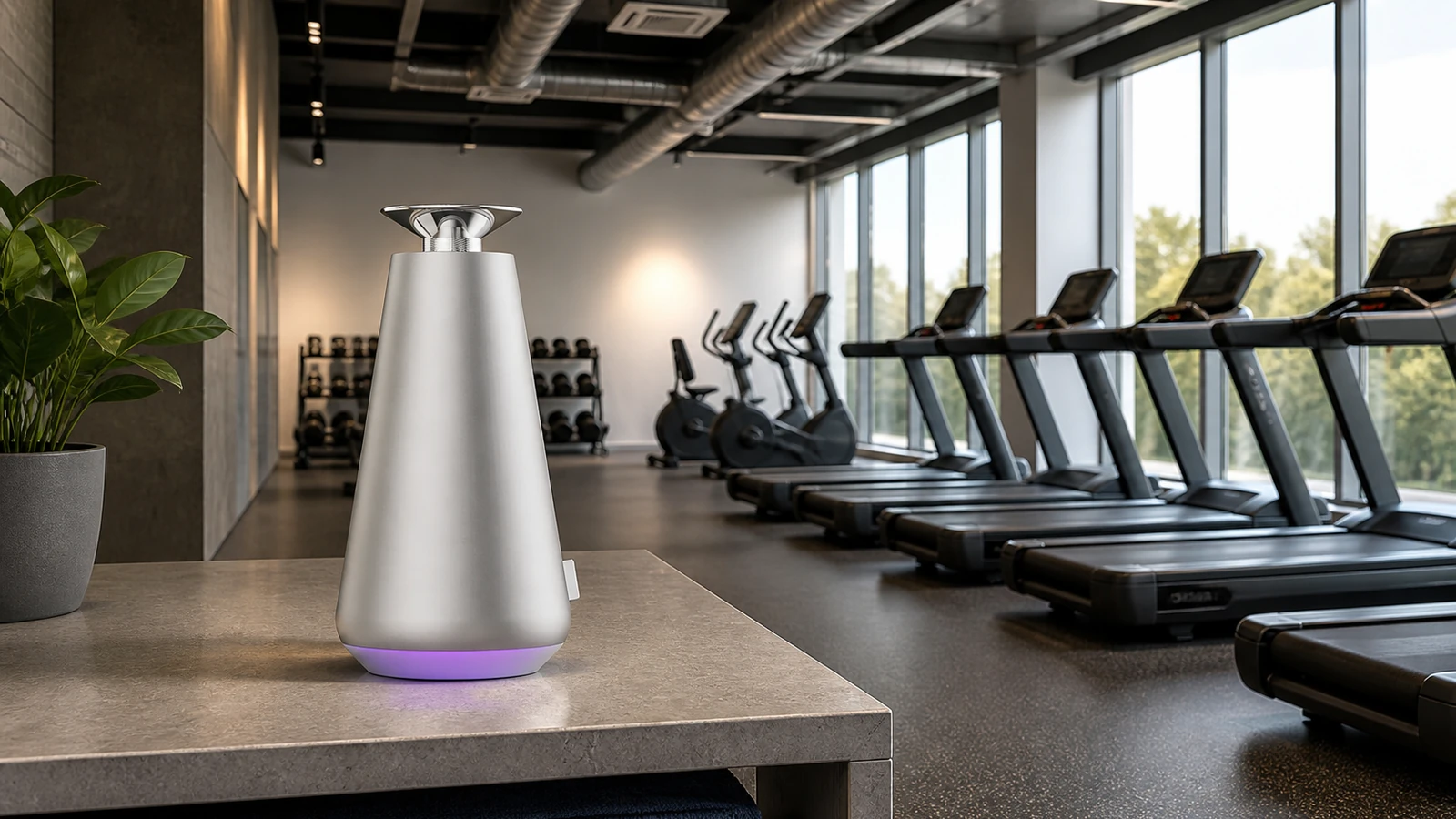
3. Choose Safe Placement
Keep devices away from exercise movement, loose equipment, water and member handling. A service shelf, secure wall position or protected floor zone may be appropriate depending on the exact product. Maintain clear refill access.
4. Set Intensity for Member Comfort
Begin low and evaluate during peak and off-peak periods. Ask both staff and first-time visitors. Provide a response procedure for members who report sensitivity and avoid positioning a diffuser where one person receives continuous concentrated exposure.
5. Coordinate Cleaning and Scent Schedules
Cleaning products can interact with fragrance perception. Separate heavy cleaning periods from evaluation and document the approved fragrance, machine settings and operating hours. Avoid unsupervised setting changes.
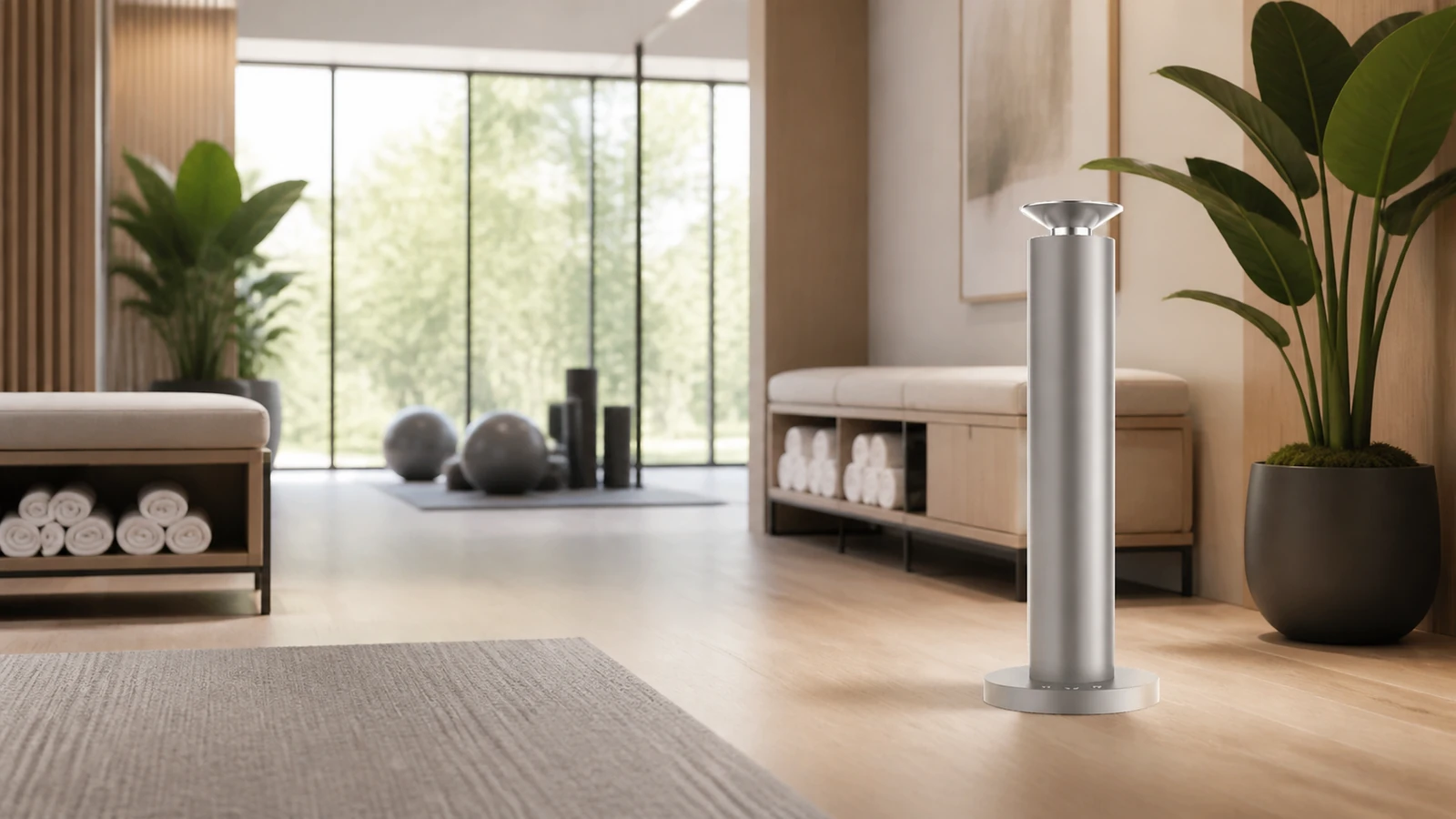
6. Monitor Operations
Track comments, complaints, refill volume, maintenance time and device downtime by zone. Review broader workplace indoor-air considerations through the EPA indoor-air resource.
Implementation Checklist
Before rollout, turn the recommendations into a written site plan. Record the intended zone, product model, exact position, approved fragrance, starting program, operating hours and person responsible for refilling and inspection. Photograph the approved installation and retain the current product instructions with the maintenance record.
- Confirm the objective and target zone.
- Verify the current product specification.
- Review airflow, access, power and safety.
- Begin with a conservative program.
- Evaluate at more than one time of day.
- Collect feedback from new visitors as well as staff.
- Record oil use, maintenance and setting changes.
- Review the plan after layout, season or ventilation changes.
A documented baseline prevents different locations or team members from making uncoordinated changes. It also provides first-party operating data that can improve future product selection, refill forecasting and multi-site quality control.
Frequently Asked Questions
Can fragrance replace gym odor control?
No. Cleaning, moisture control and ventilation should be addressed before fragrance is introduced.
What gym zone should be tested first?
Reception is often a manageable first zone because it shapes arrival without covering the entire workout floor.
Should locker rooms use the same setting?
Not automatically. Moisture, exhaust and odor sources require separate assessment.
How can gyms protect member comfort?
Start low, avoid concentrated exposure, collect feedback and maintain a clear response procedure.
Design the Program Zone by Zone
Compare commercial formats through the Aromaprox business diffuser collection.


