
Does a Cold Air Diffuser Cool a Room? What Cold Means
Does a cold air diffuser cool a room? Do not choose one as a replacement for air conditioning. In the reviewed Aromaprox SP01 and DecoPro material, the equipment is described for fragrance delivery, not room-temperature control. The word cold in a diffusion description is not a cooling-capacity specification. Understanding that distinction helps a buyer write an accurate brief and prevents a room-fragrance product from being given a task it was not documented to perform.
1. Read the whole product description, not one word
A product name is a starting point, not a complete technical specification. SP01 documentation describes cold atomization and an oil-handling system; DecoPro has its own documented fragrance bottle and operating controls. Review those functions against the quoted version. Do not turn the word cold into an extra capability such as temperature regulation, chilled-air supply or a cooling mode. If a quotation uses an unclear term, ask the supplier what action it actually describes and which document supports it.
2. Separate moving fragrance from removing room heat
Air conditioning removes heat from indoor air and releases it elsewhere; that is a different task. Daikin — How Air Conditioners Cool a Room A fragrance-delivery specification does not state the heat-removal capacity of a cooling appliance. Likewise, a pump flow figure describes a particular air-flow condition, not refrigeration performance. Keep the quantities separate when comparing products. This distinction does not require a user to open the diffuser or inspect internal components: request the correct product description and leave internal technical work to the qualified service channel.
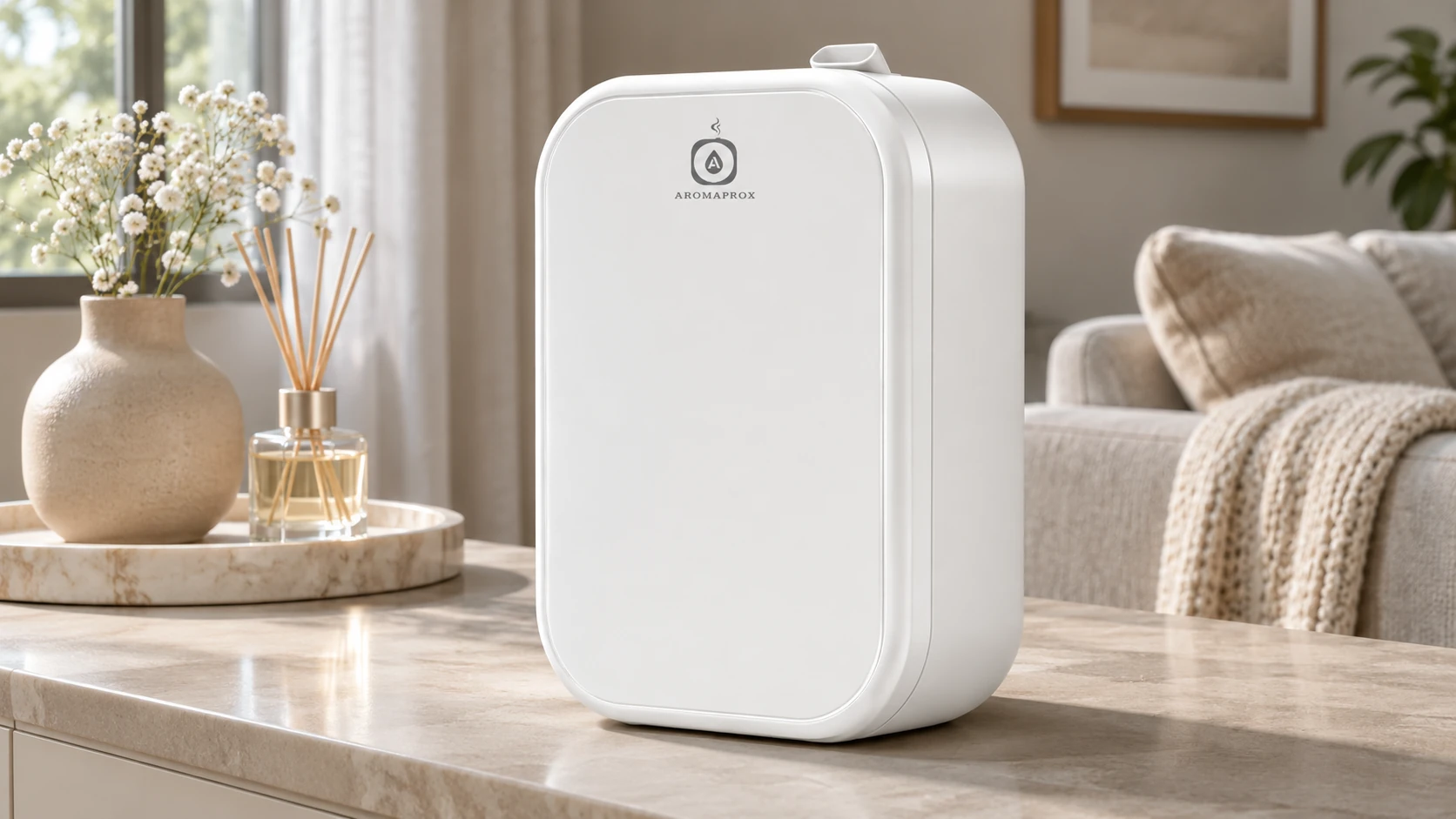
3. Do not add water or ice to create an imagined cooling function
Use the liquid and filling route approved for the specific device. A waterless fragrance bottle is not a container for ice, chilled water or a homemade mixture. The reviewed SP01 and DecoPro instructions describe their own oil-access and handling procedures; those instructions do not authorize a conversion into a cooler. Do not remove parts, cover an outlet or modify the supply arrangement to pursue a capability that has not been confirmed. If a different environmental function is needed, identify suitable equipment separately.
4. Keep a fresh fragrance impression separate from temperature
A visitor may describe a fragrance as fresh, crisp or cool. Those words describe an impression and should not be recorded as a measured change in room temperature. Product photography also cannot demonstrate cooling: reflections on metal, a blue background or an added white cloud are not temperature data. When discussing fragrance samples, record the scent impression as feedback. When discussing the indoor climate, use the building's normal methods and responsible personnel rather than treating fragrance preference as a substitute measurement.
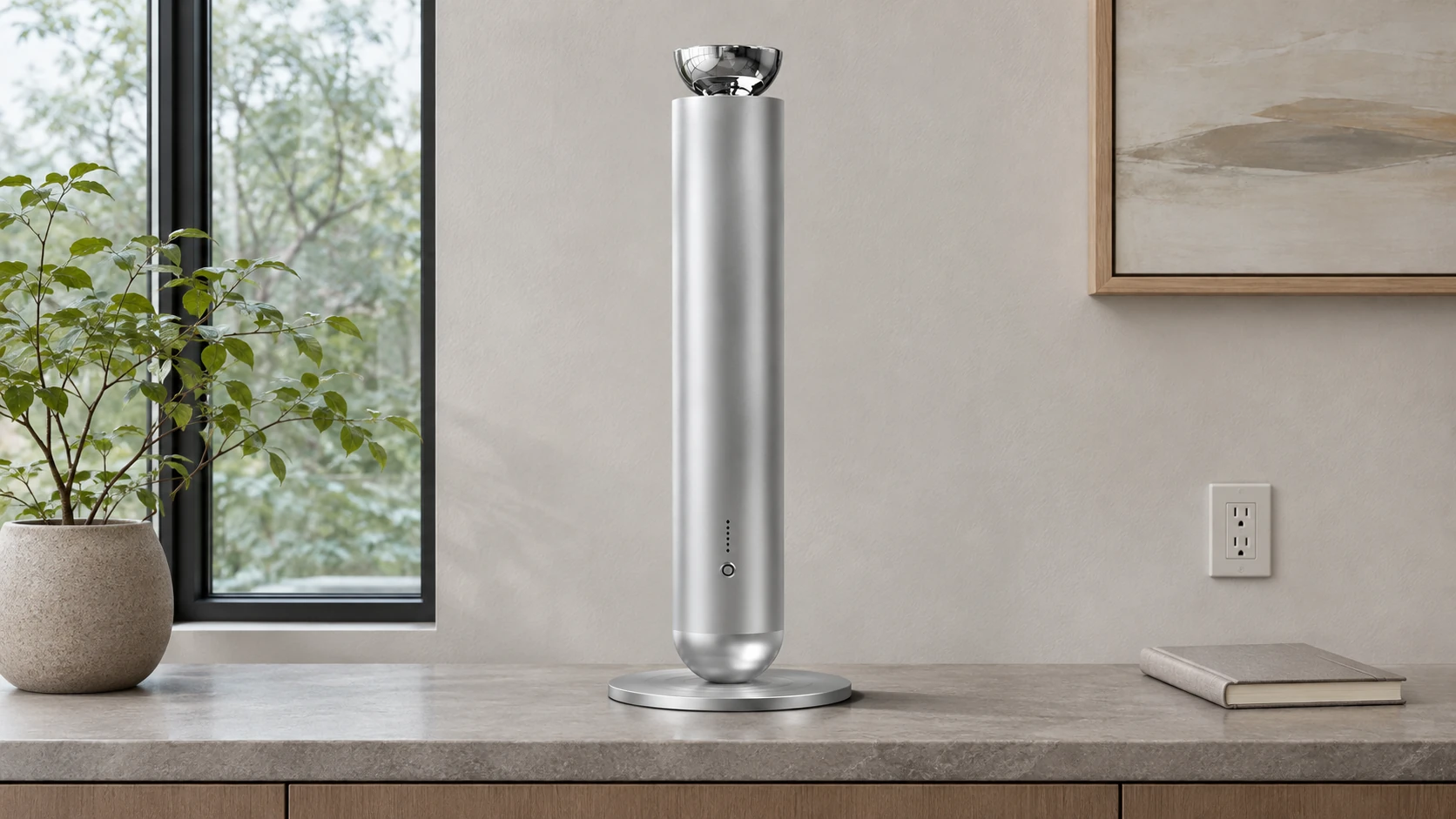
5. Evaluate scent under the room's ordinary climate conditions
Assess the diffuser while the space is used and ventilated normally. Record the selected fragrance, permitted setting, location and operating period. Do not change building ventilation or switch off essential climate controls simply to make a scent easier to notice. If those conditions change during the observation, record the change. The resulting trial can help choose a practical fragrance routine; it does not establish cooling, dehumidification, air purification or any other undocumented environmental function for the product.
6. Write separate requirements when the room has two needs
If a customer needs both room fragrance and temperature control, list those as separate requirements. For the fragrance equipment, ask about the exact SP01 or DecoPro version, approved oil, normal operation and care. Refer the climate question to the party responsible for the building system. Keep unsupported promises out of the quotation, product listing and translated instructions. A concise explanation of what cold-air diffusion means is more useful than implying that one attractive device replaces several different types of equipment.
Frequently asked questions
Does a fresh or cooling fragrance note prove the room is colder?
No. A scent description is feedback about the fragrance impression, not a temperature measurement or a cooling-capacity rating.
Can I add ice or cold water to a waterless diffuser?
Do not do so. Follow the exact model's approved liquid and filling procedure. Do not convert a fragrance device into an improvised cooling appliance.
What should I ask if a supplier says the diffuser provides cooling?
Ask for the exact function, model and supporting specification. Do not accept a product name, photograph or fragrance impression as evidence of room cooling.
Plan your next step
Send Aromaprox a brief that separates the fragrance task from any building-climate requirement. Request current SP01 or DecoPro documents and confirm the quoted version, approved formulation and operating routine before using product terminology in your own listing.
Related resources
Sources and further reading
Images are AI-generated editorial scenarios based on Aromaprox product reference photographs. They are not test records, installation instructions or a statement of included accessories. Confirm the exact model, finish and current specifications before ordering.


