
Diffuser Oil Capacity vs Scent Coverage: Why They Are Different
Diffuser oil capacity vs scent coverage is a distinction worth making before comparing machines. An oil container describes storage; it does not, by itself, describe how fragrance reaches the intended space. Aromaprox's reviewed configuration table lists HC1000 and HC5000 with the same nominal bottle capacity, while identifying them as different diffuser models. That provides a useful example of why a bottle-size match is not evidence of identical application capability.
1. Understand what the capacity field tells you
Nominal oil capacity identifies the size of the specified reservoir or bottle arrangement. It can help organize consumables and service planning, but it is not a room-selection formula. It also should not be treated as permission to fill above the indicated limit. Use the exact container and filling instructions supplied for the model. When HC1000 and HC5000 have matching capacity entries, the confirmed conclusion is about those entries only; it does not make their internal systems or approved installations interchangeable.
2. Ask about delivery separately from stored liquid
The amount held in a bottle and the way fragrance is delivered are different characteristics. Ask for model-specific information about the operating arrangement and the conditions behind any performance statement. Do not infer pump design, airflow or emission characteristics from a larger housing or product name. Equally, do not assume that a larger bottle would increase the machine's delivery capability. A supplier comparison should show the evidence for each performance claim separately from the consumable-storage field.
3. Keep the building question in the comparison
A space is not described fully by its floor area. Layout, room volume, air movement, open doors and the intended scent zones affect the application review. These are questions to provide to the supplier, not variables that this article converts into a guaranteed result. For HC1000 and HC5000, request the installation requirements for the actual site and version. Do not assume that a similar bottle makes one an automatic replacement for the other in an existing installation.
4. Do not turn capacity into a refill calendar
Even when two devices store the same nominal amount, a refill date cannot be established without the approved operating pattern and relevant consumption information. Different schedules or output settings can produce different service routines. Record actual replenishment under a documented, appropriate setup rather than promising a fixed number of days from bottle size alone. Do not compare an oil-consumption figure with a battery-runtime figure, and do not assume that topping up the container changes the rated capability of the machine.
5. Request a comparison with traceable conditions
Ask the supplier to separate the model revision, container specification, installation method, operating settings and performance evidence. Each claimed coverage figure should have a clear source and applicable conditions. If an older brochure and a current page disagree, obtain a version-specific clarification instead of choosing the more impressive number. For a trial, agree on the intended zones and observation method before drawing conclusions. A room photograph, visible vapor effect or larger cabinet cannot substitute for the evidence behind an application claim.
6. Use the distinction to improve a purchase brief
State the actual application and service constraints first. Then ask which current HC1000 or HC5000 configuration fits that brief and why. If frequent servicing is the concern, discuss the approved operating routine and consumable plan rather than treating bottle size as the only selection factor. If distribution across the space is the concern, request the relevant installation and performance review. This keeps a useful storage specification in its proper place without discarding it or allowing it to stand in for every other requirement.
Frequently asked questions
Do equal oil capacities mean equal coverage?
No. Equal storage capacity does not establish equal fragrance delivery or suitability for a given space.
Can a bigger replacement bottle increase coverage?
No such capability follows from bottle size. Use only the container approved for the exact model and obtain performance information separately.
Why does this comparison not give a universal area figure?
Coverage depends on the applicable model evidence and site conditions. This guide separates the questions instead of deriving an area from a container specification.
Plan your next step
Share the intended zones, operating routine and service needs with Aromaprox when comparing HC1000 and HC5000. Request a current, traceable application recommendation instead of choosing from oil capacity alone.
Related resources
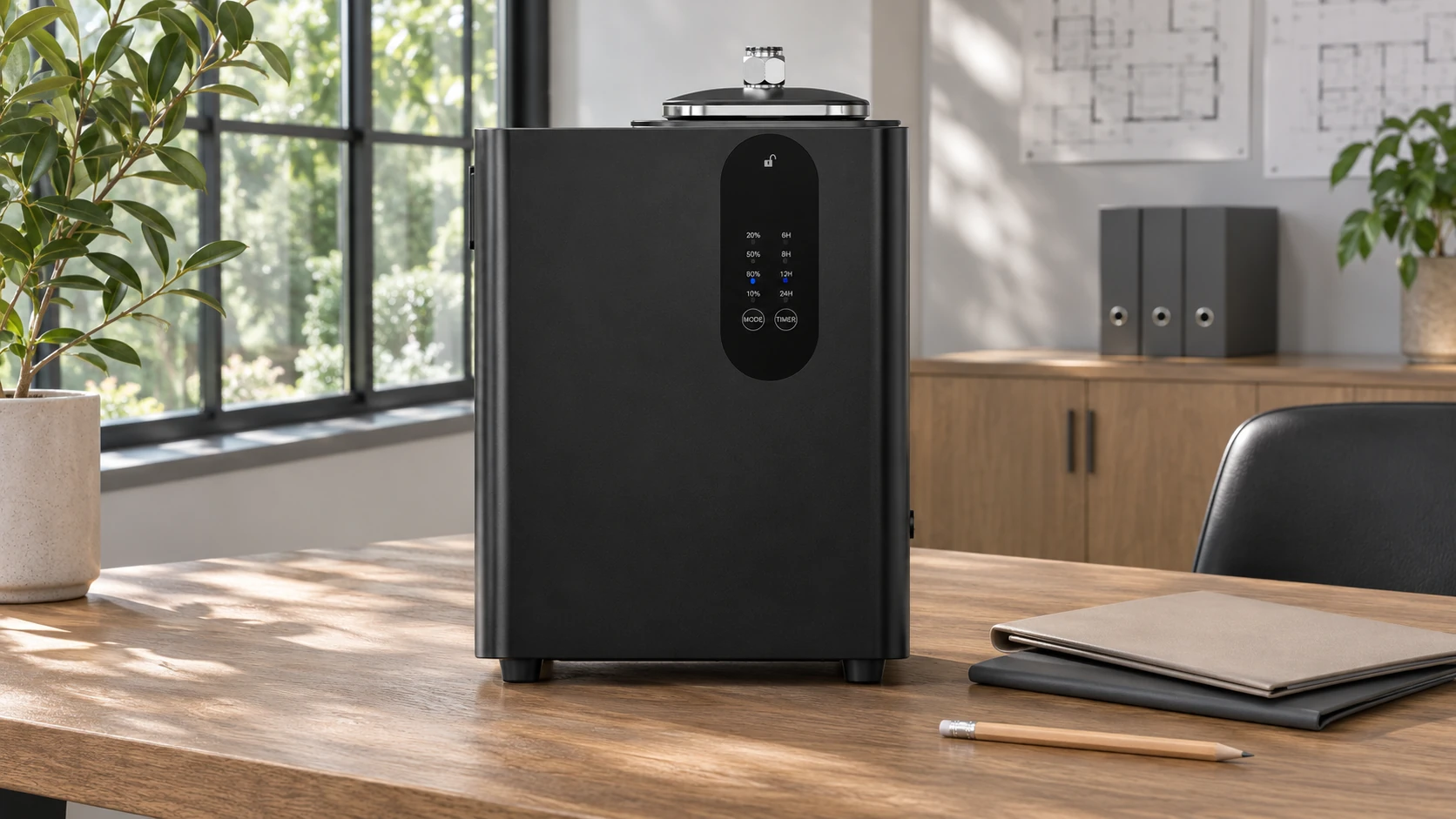
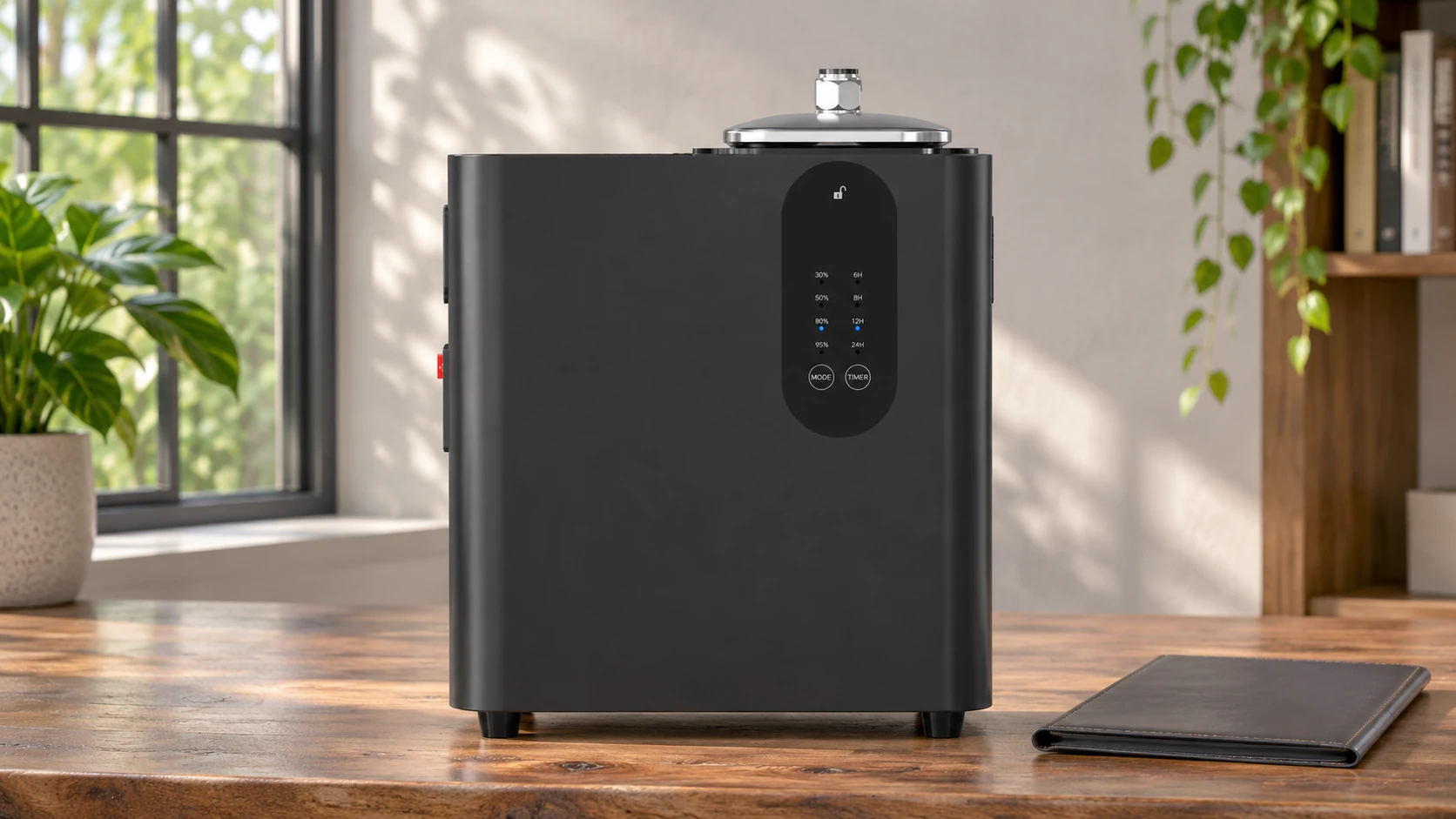
Images are AI-generated editorial scenarios based on Aromaprox product reference photographs. They are not test records, installation instructions or a statement of included accessories. Confirm the exact model, finish and current specifications before ordering.


