
Diffuser Logo: Laser Engraving vs. Screen Printing
Choosing diffuser logo laser engraving vs screen printing is a surface-and-artwork decision, not simply a choice between premium and economical branding. The same mark can look different on bare metal, a coated housing and a plastic enclosure. Begin with the exact finished surface and the visual requirement, then approve a representative physical sample before production.
1. Identify the surface that will actually be marked
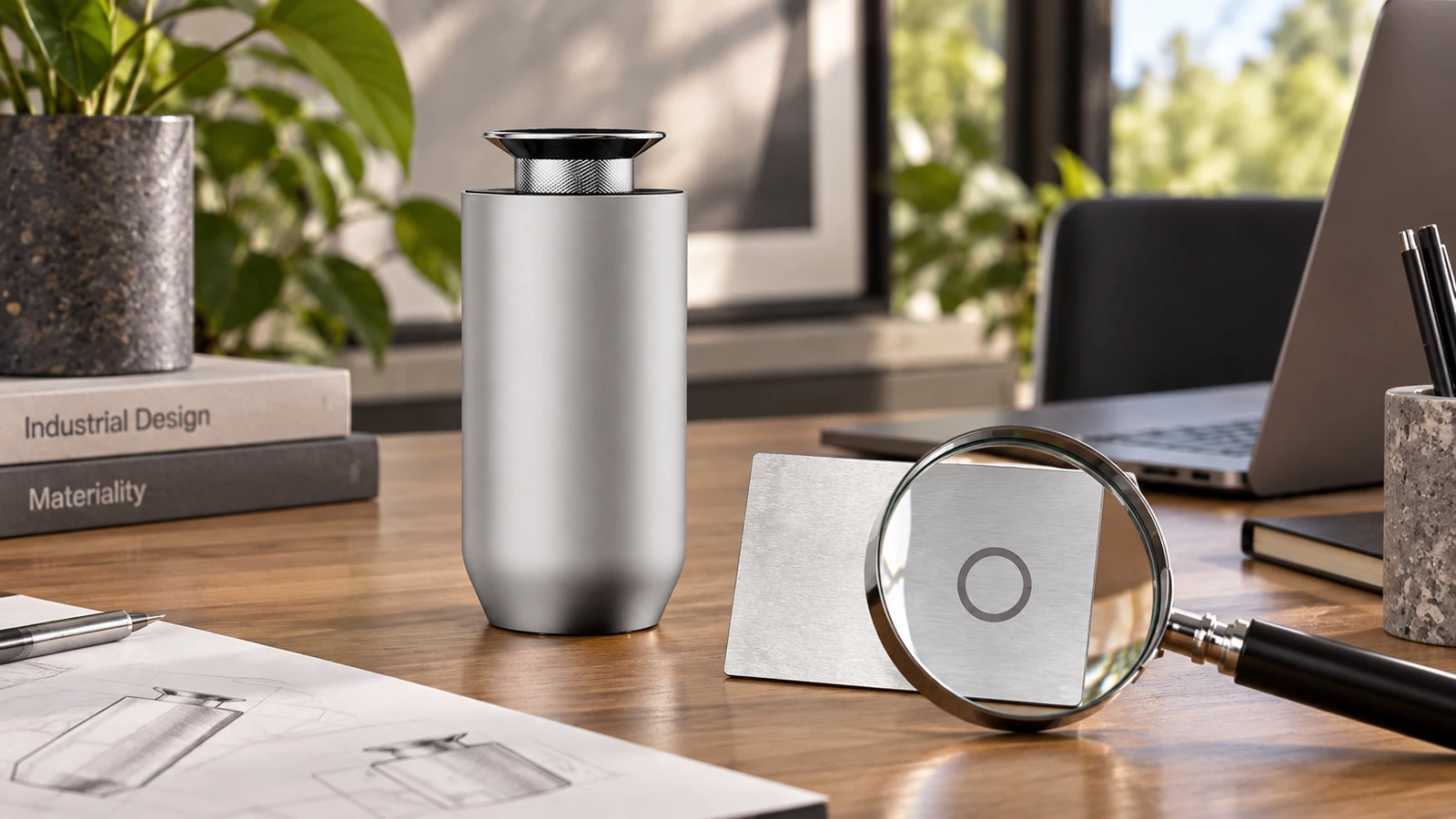
Specify the housing material, coating, texture and final color. A silver appearance does not prove that the visible surface is bare aluminum. Laser processing can interact with a coating differently from the material beneath it, while printing depends on the surface and ink system. Ask the supplier which process is available for the exact part. The DecoPlus, CarPro and SP01 in the illustrations retain their original appearance; separate samples demonstrate the discussion.
2. Define the required visual result
State the logo size, location, viewing direction and required contrast. Decide whether matching a brand color is essential or whether a monochrome mark is acceptable. Evaluate the mark under realistic lighting, because reflective metal and glossy black surfaces can change apparent contrast. Avoid approving only a large digital mockup when the final logo will be small. A photograph is useful for documenting a sample, but it cannot fully communicate finish and reflection.
3. Compare processes without blanket claims
Laser marking or engraving uses a controlled interaction with the material or coating; results vary with the specific process and substrate. Screen printing deposits ink through a prepared screen and requires a compatible process, including any preparation and curing. Trotec's material guidance illustrates why laser suitability is material-dependent. Do not assume all plastics can be processed in the same way or that every engraved mark is deeper, darker or more durable than every printed mark.
4. Prepare production-ready artwork
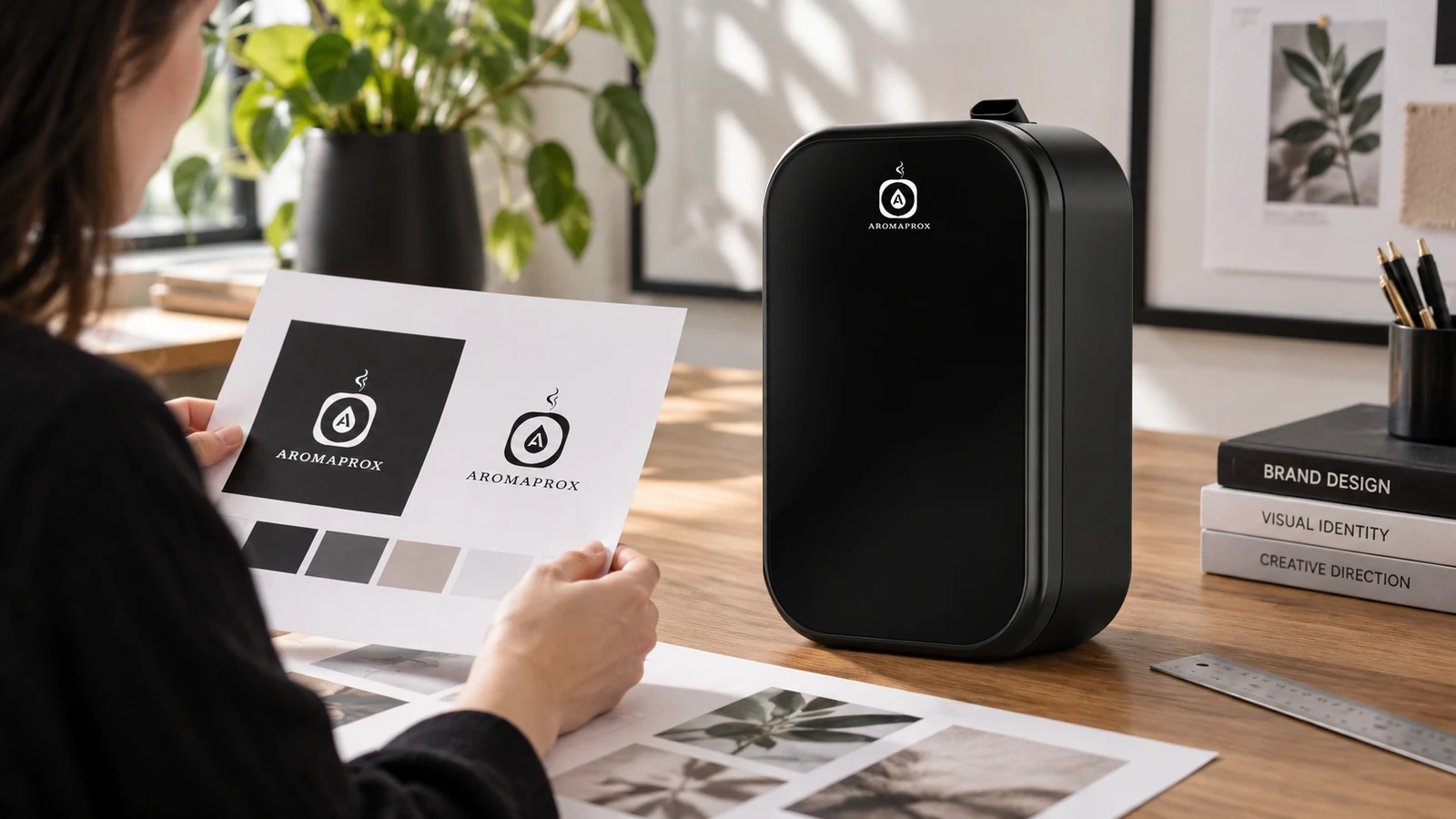
Provide vector artwork where requested, define the approved version and clarify whether thin lines, small letters or fine gaps need adjustment. Include a placement drawing with dimensions and an agreed reference edge. Keep necessary product information and control markings separate from decorative branding. Ask for a process-specific proof and record any change to the artwork before sampling. Do not let a revised logo file enter production while the purchasing document still points to an older version.
5. Approve a representative physical sample
Review the actual finish and process combination, not a generic coupon alone. Check placement, legibility, edges and appearance from the normal viewing distance. Agree appropriate durability checks for expected handling and approved cleaning, with the supplier defining the method and acceptance criteria. A coupon can help screen options, but curved housings and production fixtures can affect the final result. Retain the approved reference and photographs so later inspections have something concrete to compare.
6. Compare the full production proposal
Request separate clarification of setup, sampling, unit process cost, lead time and change-control implications. Multiple print colors or different fixture requirements can alter a quotation, but no universal price ranking applies. Confirm what happens if the housing finish changes after approval. The selected process should support the brand's visual needs and the product's actual use, not just look attractive in a rendering. Keep the approved artwork, location and finish tied to the order specification.
Frequently asked questions
Is laser engraving always more durable?
No universal claim is justified. Material, coating, process and exposure determine performance; compare approved samples using an agreed method.
Can screen printing match a brand color?
It can be specified for color, but the achievable result depends on ink and substrate. Approve a physical sample rather than relying only on a screen color.
Do the images show new logos added to the machines?
No. The product references retain their original markings. Separate coupons and artwork illustrate the decision process.
Plan your next step
Send Aromaprox the artwork, intended logo size, housing finish and market requirements to confirm available marking options and arrange a representative sample.
Related resources
Sources and further reading
Images are AI-generated editorial scenarios based on Aromaprox product reference photographs. They are not test records, installation instructions or a statement of included accessories. Confirm the exact model, finish and current specifications before ordering.


