
Car Diffuser Airflow Testing: Record Vents, Modes and Windows
Car diffuser airflow testing helps explain why the same fragrance arrangement can feel different between observations. A CarPro sample does not operate independently of the cabin around it: window position, vent direction and the vehicle's chosen ventilation mode are part of the context. This guide shows how to document those conditions without claiming a universal relationship between one vehicle setting and fragrance strength. It is an observation method, not an air-quality or exposure-safety test.
1. Define the observation before changing the vehicle
State whether the question concerns fragrance near a passenger, consistency during normal use or a difference between two otherwise similar observations. Identify the exact CarPro revision, approved fragrance, starting oil condition and documented operating program. Do not mix this assessment with a battery-life test or an attempt to diagnose an electrical fault. If the device behaves abnormally, follow its instructions and obtain support first. A useful airflow log starts with an operating unit and a specific question, not a vague claim that the scent is weak.
2. Record what the vehicle controls actually show
Write down the displayed ventilation mode, fan level, selected outlets and temperature setting, plus which windows or doors are open. Use the vehicle manual to identify fresh-air and recirculation functions; symbols and automatic behavior can vary. Some settings may be managed automatically or changed for visibility. Record the observed state instead of assuming a button remained active. The aim is not to prescribe one ventilation mode for all cars, but to prevent two different cabin conditions from being mislabeled as the same diffuser test.
3. Establish a repeatable comparison without unsafe operation
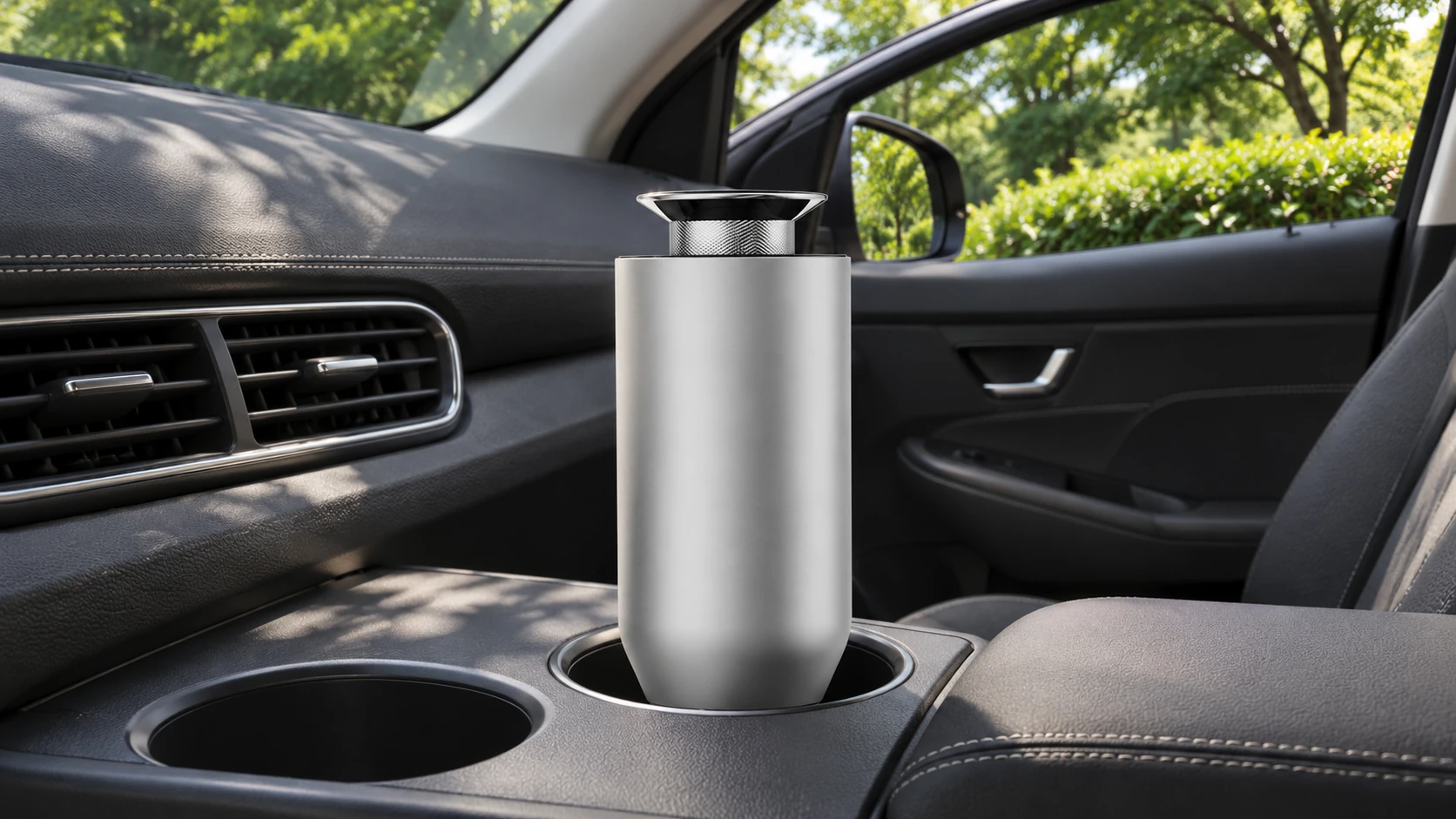
Make any setup changes while safely parked and follow the vehicle's operating instructions. Never run an engine in an enclosed space for an experiment, disable safety functions or ask a driver to adjust the diffuser while moving. NHTSA's distraction guidance recommends preparing controls before a trip. NHTSA — Driver Distractions Keep the device in an approved upright position with unobstructed controls and outlet. Begin with normal required ventilation and a suitable approved diffuser setting; do not sacrifice the vehicle's needs to create a stronger fragrance impression.
4. Change one documented condition at a time
When the vehicle instructions and circumstances permit a comparison, change only one chosen factor, such as an outlet direction or window state. Keep the fragrance, diffuser setting and evaluation position the same. Allow a consistent observation interval without presenting an arbitrary duration as a manufacturer requirement. Note that conditions may continue to change; automatic climate actions or a newly opened door can invalidate a simple comparison. Repeat on another occasion if necessary rather than declaring a result from one brief impression or claiming a measured circulation rate.
5. Use a short log and neutral feedback
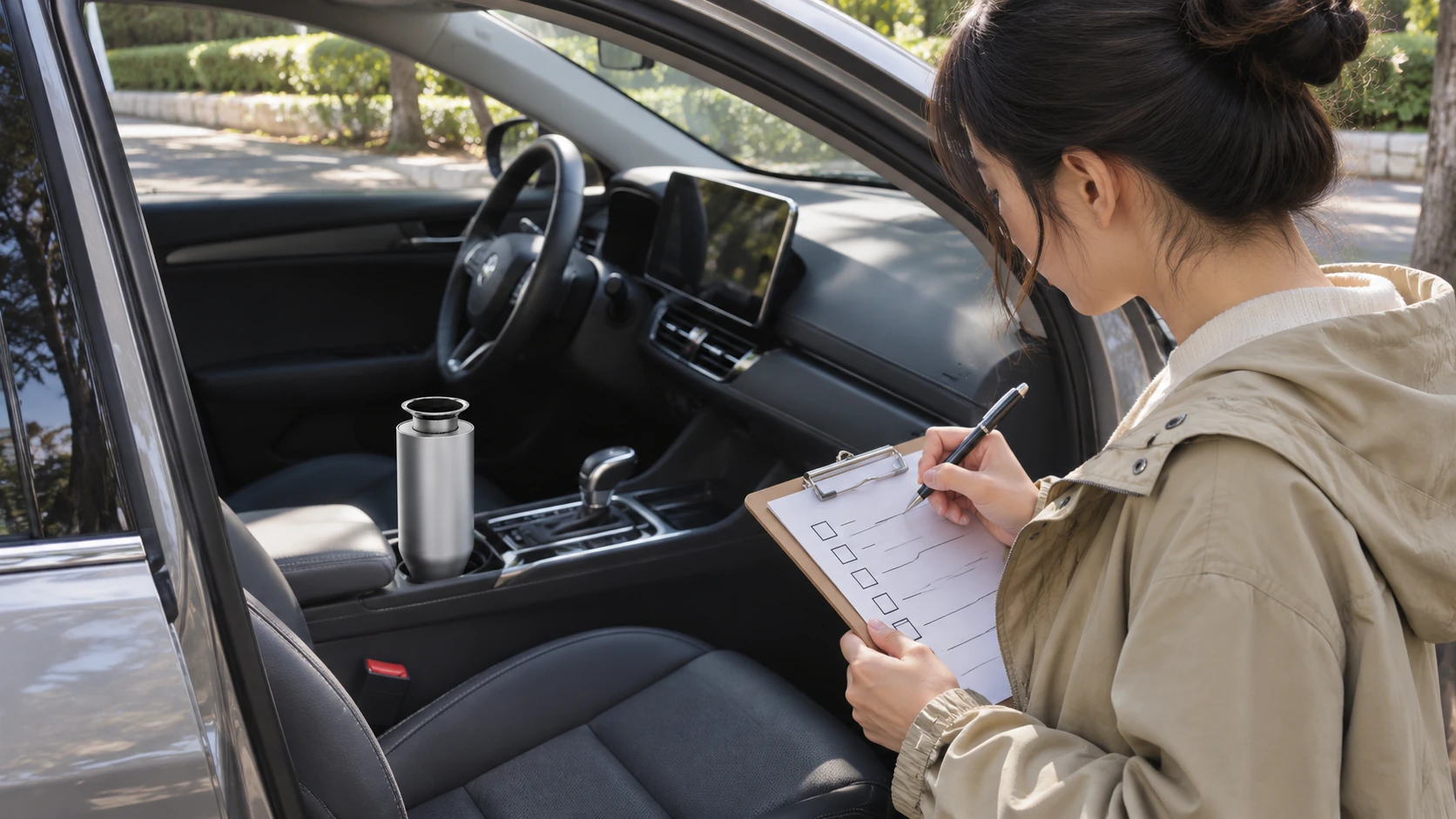
A practical row includes date, vehicle and console, diffuser version, fragrance identifier, operating mode, ventilation display, vents, windows, observation point and a short comment. Ask willing occupants to report whether the scent is absent, acceptable or excessive without pushing them to stay in a scented cabin. Keep comments separate by observation rather than averaging incompatible conditions. Do not treat a stronger smell as better performance or as evidence about safety. If someone prefers no added fragrance, stopping the diffuser is a valid outcome, not a failed test.
6. Turn the record into a precise supplier question
Look for comparisons in which only the intended factor changed. If fragrance differs mainly when cabin conditions change, review the placement and operating plan before increasing output. Do not infer a universal correction factor or a promise that CarPro will compensate for every ventilation condition. Send Aromaprox a concise log when assistance is needed, identifying unresolved vehicle questions separately. For distributor evaluations, retain the same record format across samples and explain that the results belong to the recorded vehicle and conditions, not to every customer car.
Frequently asked questions
Is recirculation always the best mode for a car diffuser?
This guide does not recommend one mode for every vehicle. Follow the vehicle instructions and required ventilation or visibility functions; record the actual state when evaluating fragrance.
Can I compare results after changing both fan speed and diffuser intensity?
That makes the cause unclear. Keep the diffuser program fixed when examining a vehicle-airflow change, and record any automatic changes that may affect the comparison.
Does the log show whether a fragrance is safe to breathe?
No. A smell-observation log is not an exposure assessment, air-quality measurement or health test. It documents operating context and preferences only.
Plan your next step
Share the exact CarPro configuration, approved oil and a brief cabin-condition log with Aromaprox when discussing a trial. Ask model-specific questions rather than requesting one setting for every vehicle. For ventilation or control behavior, consult the vehicle manufacturer rather than assuming the diffuser supplier can approve changes to the car.
Related resources
- CarPro
- Car Aroma Diffuser Wholesale Buying Guide for Distributors and Retail Brands
- Car Diffuser vs Vent Clip Air Freshener vs Hanging Card
Sources and further reading
Images are AI-generated editorial scenarios based on Aromaprox product reference photographs. They are not test records, installation instructions or a statement of included accessories. Confirm the exact model, finish and current specifications before ordering.


