
Aluminum vs Plastic Scent Diffuser: Compare the Actual Use
An aluminum vs plastic scent diffuser comparison is most useful when it connects the housing to a real use pattern. Aromaprox's reviewed CarPro material description identifies aluminum, while the SP01 brochure lists PP material. These are different product formats as well as different material descriptions. A fair comparison should separate appearance, placement and care from claims that would require testing. Material names alone do not establish lifespan, scratch resistance or fragrance performance.
1. Compare the full products, not two material labels
CarPro is a compact car-oriented device, whereas SP01 uses a different housing and installation format. A difference observed between them cannot automatically be attributed to aluminum versus plastic. Shape, construction, finish and placement also differ. Record the model and the component to which a material description applies; do not assume that every internal part uses the housing material. This prevents a purchasing brief from turning a broad catalog term into an unsupported description of the entire machine.
2. Review the finish in the intended surroundings
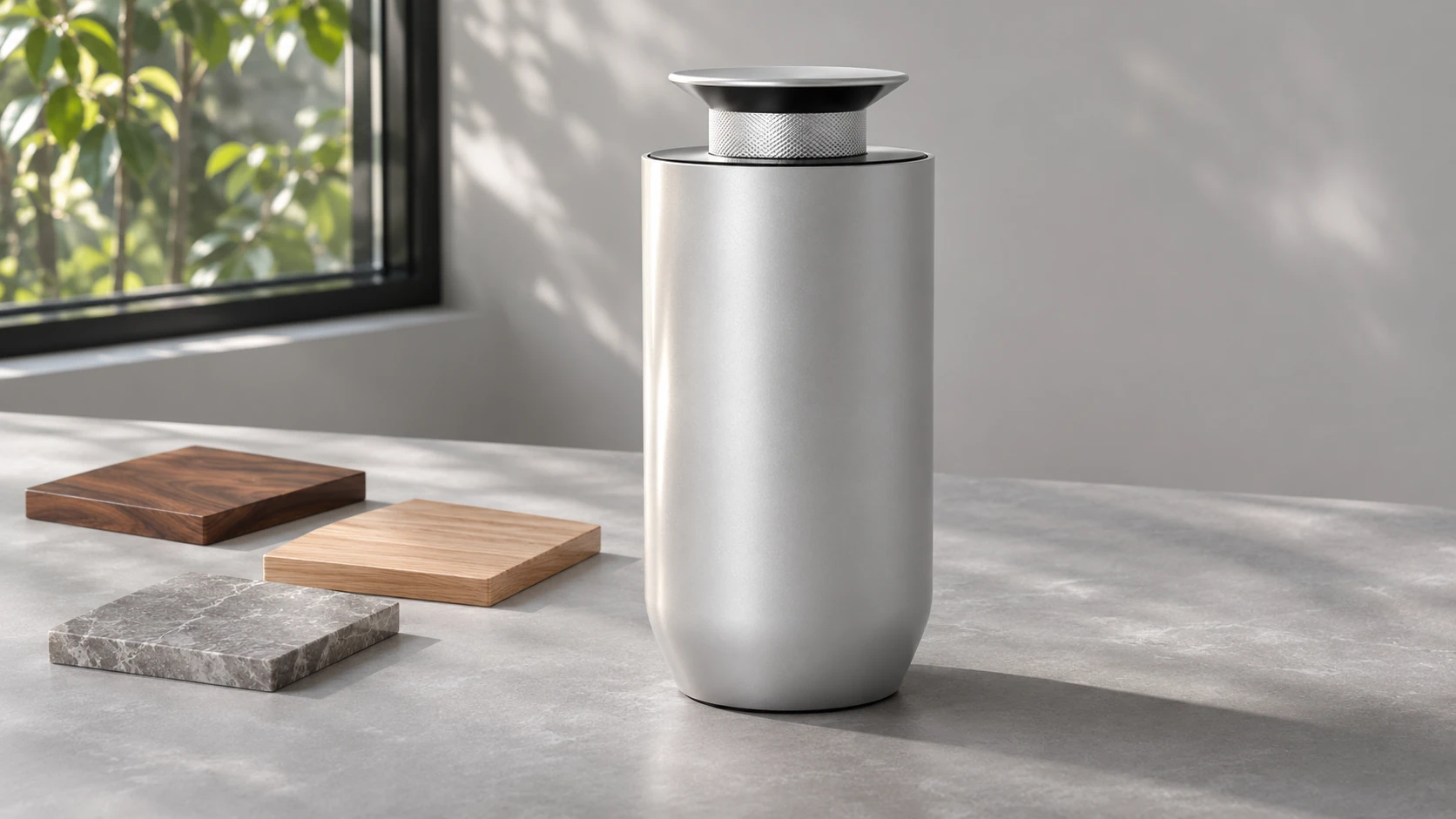
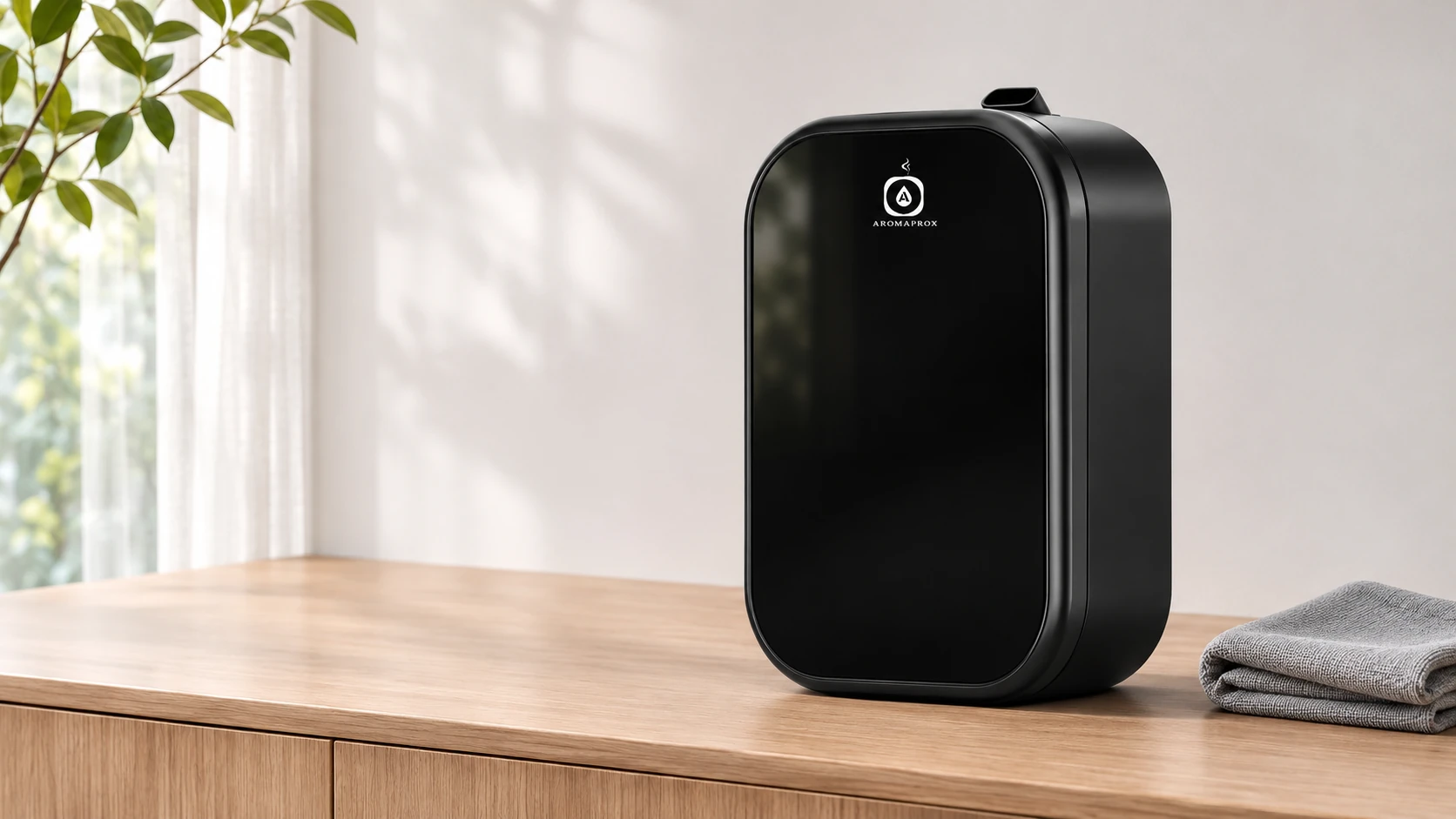
Look at a physical sample under the lighting in which it will be seen. A silver aluminum surface and a pure black or white SP01 can create different visual relationships with the vehicle or room, but screen images are not a reliable color standard. Review reflections, visible seams and how the product sits among nearby surfaces. Do not interpret a smooth finish as proof of resistance to scratches, fingerprints or cleaning products. If a specific appearance is important, identify the actual approved finish rather than requesting a generic metal look.
3. Consider handling without assuming weight or strength
Ask who moves, refills and places the device, and inspect the complete sample. Do not assume that all metal models are heavier or that all plastic models are lighter: the full assembly determines handling. CarPro requires a secure upright position suited to the actual vehicle. SP01 needs its documented installation and bottle-access routine. Neither housing category makes casual dropping, forceful installation or improvised mounting acceptable. Where impact resistance is a requirement, request relevant model-specific evidence instead of using the material name as a substitute.
4. Use the cleaning method approved for that finish
A product's appearance does not tell you which solvent, detergent or tool is safe for it. Follow the supplied care instructions for the exact model and finish, including restrictions around electrical areas and liquid exposure. Do not transfer a method used on a metal kitchen item to an aluminum diffuser, or assume every plastic housing tolerates the same cleaner. For uncertain marks or fragrance residue, ask support before experimenting. A gentle-looking household product can still be unsuitable for a particular coating or plastic component.
5. Separate appearance preferences from tested properties
Scratch resistance, corrosion resistance, chemical compatibility and service life need evidence appropriate to the actual product and finish. Do not rank CarPro and SP01 on these properties from a photograph or from generic material expectations. Similarly, an enclosure material does not establish noise level, coverage or oil compatibility. If procurement requires a particular property, ask what test or documented specification supports it, which model revision it covers and what its limits are. An attractive sample is useful for appearance review, not a substitute for that evidence.
6. Make a model-specific selection record
For each candidate, record the intended position, actual material description, approved finish, user-accessible parts and care instructions. Add the observed handling needs and any unconfirmed performance requirement. Choose CarPro for a vehicle-oriented brief only after checking fit and operation; consider SP01 according to its installation and room-use requirements. Do not choose solely because metal sounds premium or plastic sounds practical. The more useful decision is whether the complete, documented product fits the tasks and environment without adding unsupported assumptions.
Frequently asked questions
Is an aluminum diffuser always more durable?
No universal ranking is established. Durability depends on the complete design, finish, use and relevant evidence for the specific model.
Can I clean CarPro and SP01 with the same product?
Only if their respective instructions approve it. A method suitable for one material or coating should not be assumed suitable for another.
Does housing material determine scent coverage?
No. Material descriptions do not establish fragrance-delivery performance. Review coverage and application evidence separately for the exact device.
Plan your next step
Ask Aromaprox for a CarPro or pure black or white SP01 sample with its actual material description and care instructions. Identify any tested property you need separately from your appearance preference.
Related resources
Images are AI-generated editorial scenarios based on Aromaprox product reference photographs. They are not test records, installation instructions or a statement of included accessories. Confirm the exact model, finish and current specifications before ordering.


