
Aroma Diffuser Transit Damage: What to Record at Arrival
Aroma diffuser transit damage should be documented before an affected unit is installed, repaired or repacked. A creased carton does not by itself prove that a CarPro or SF03 is damaged, and a dented machine does not establish who caused the problem. A clear receiving record connects the shipment, its packing arrangement and the exact product condition. It supports a supplier or carrier review without turning a photograph into a technical diagnosis or a guarantee of compensation.
1. Identify the shipment before disturbing its condition
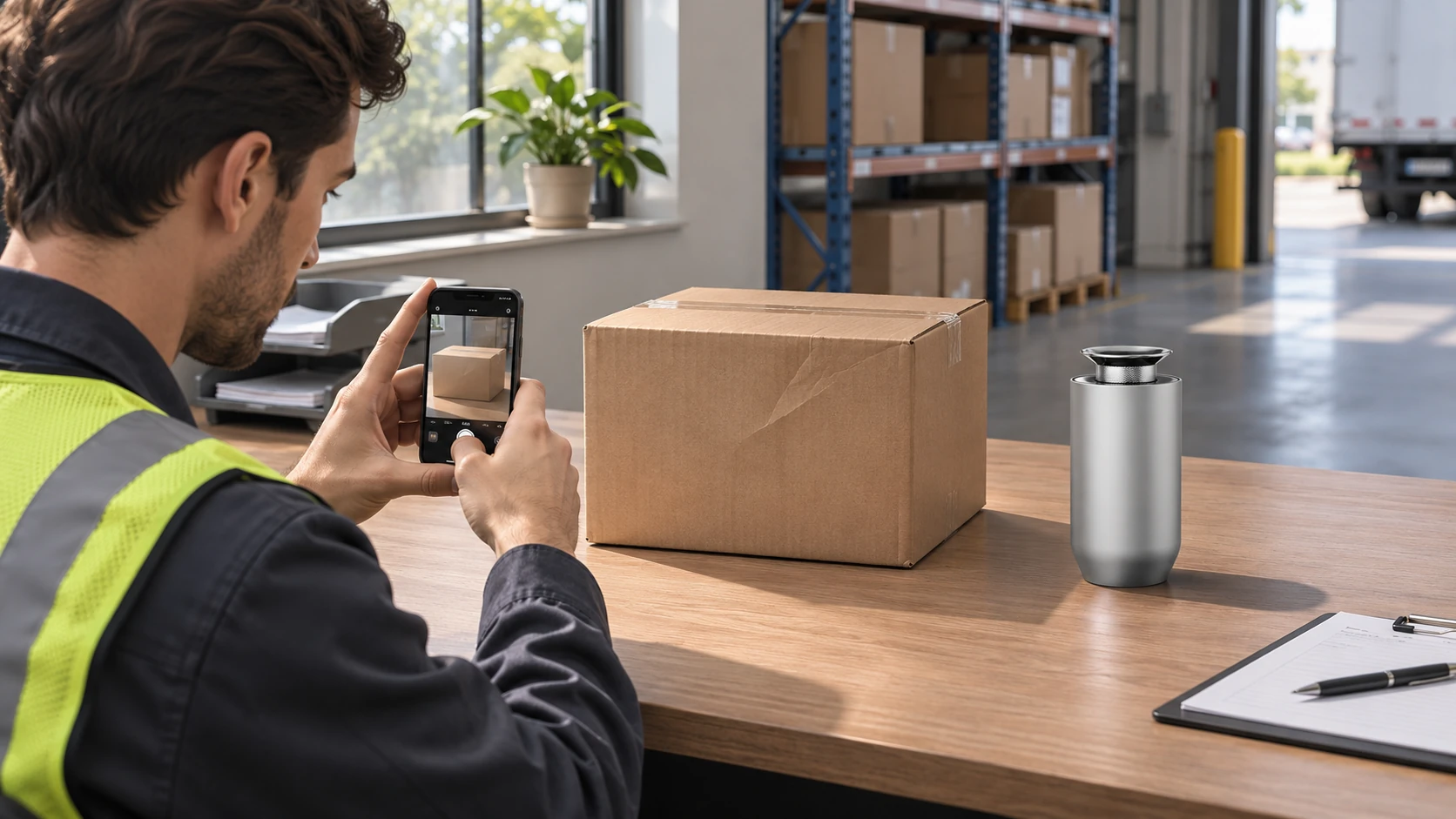
Match the delivery reference with the purchase or shipment record. Note the number of packages received, the observed condition and any discrepancy. Photograph the outside from useful angles, including damaged areas and the shipping identification, before removing material where it is safe to do so. Keep original files and avoid edits that obscure context. Share tracking details privately with the responsible parties rather than posting personal delivery information publicly. Do not write an assumed cause such as a specific fall when you only observed a crushed corner.
2. Record the unpacking sequence and internal support
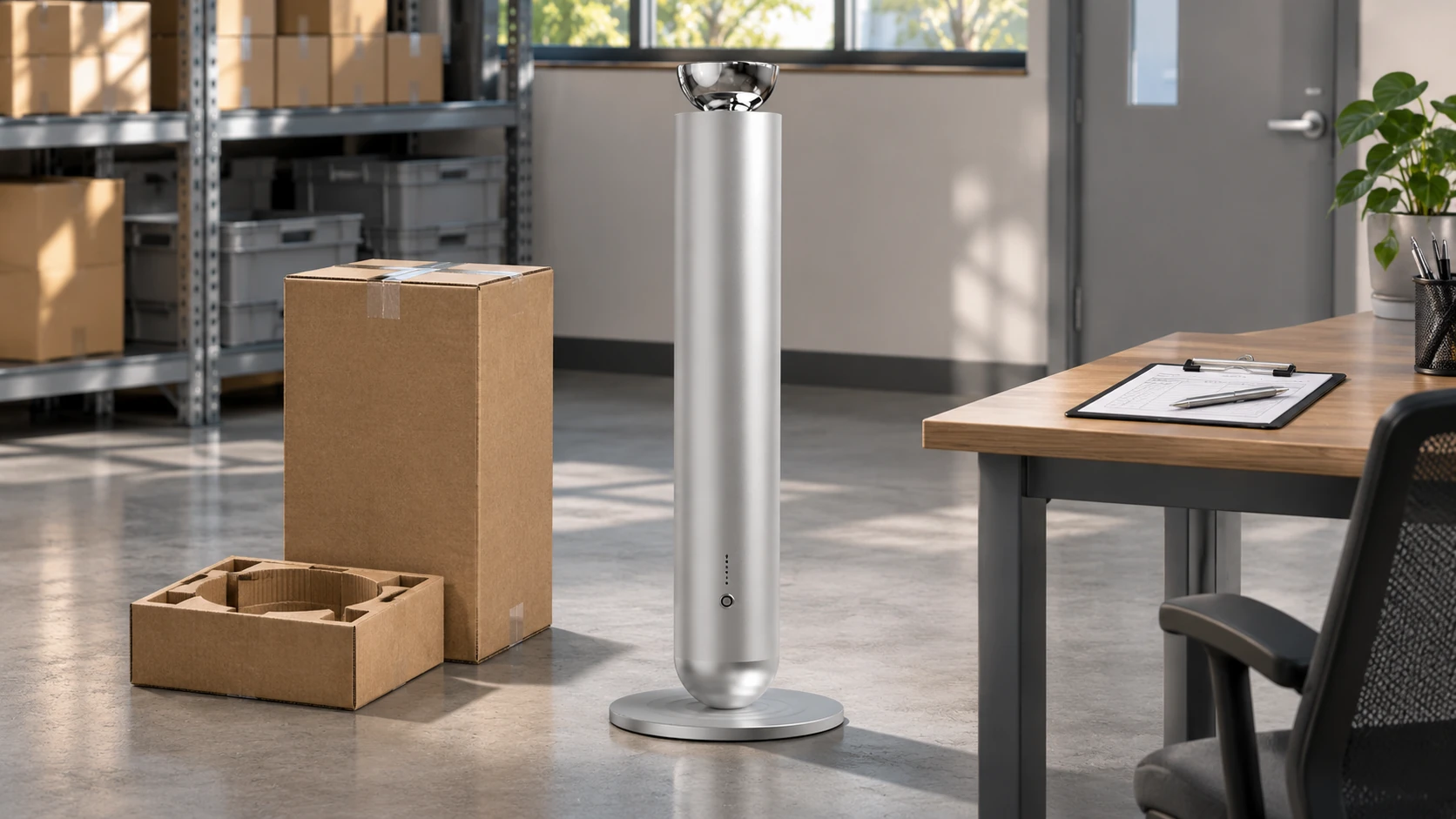
Where safe, document how the product and included items were arranged when the carton was opened. Photograph protective material and the position of the affected unit before moving it. Keep the outer carton, inserts and contents together for review. For a distributor carton, identify which individual package was involved rather than presenting a photograph of an unrelated box. Do not stage the product in a different arrangement to make the incident appear clearer. If the contents cannot be handled safely, stop and ask the responsible party for instructions instead of continuing a photography exercise.
3. Connect each observation to the exact diffuser
Record the model, finish, version and available identifying label. For CarPro, document the actual body and top condition without disassembling it. For SF03, capture the whole tall unit as well as the specific area of concern, including the supplied base or head where relevant. Use both overview and detail photographs so a reviewer can locate the issue. Distinguish cosmetic marks, apparent displacement, missing supplied items and unknown conditions. Do not label an unseen internal failure or assign a mechanical cause that has not been assessed.
4. Isolate the affected unit rather than testing damage
Do not energize a unit with apparent damage, leakage or uncertain electrical condition. Keep it out of normal use and follow the appropriate handling guidance for the actual product and contents. Do not open the housing, straighten parts, exchange components or refill it to make a demonstration video. An unqualified repair attempt can change the evidence and introduce another problem. If the machine appears intact but the carton was affected, ask which checks are appropriate before release; this article does not authorize a universal electrical safety test or a return-to-service decision.
5. Submit a factual incident packet to the right channel
Combine the shipment reference, order record, model identification, quantities, photograph sequence and concise observations. Ask who should coordinate the carrier process and which additional documents are required for the actual service. As one scoped example, the UPS United States claims page requests views of the item and its packing, the shipping identification and the exterior package; use the current requirements for your own shipment. Do not assume another country, carrier or contract has the same deadline, submission rights or evidence requirements. A complete packet helps review but does not guarantee an approved claim.
6. Preserve the material until disposition is confirmed
Keep the affected contents and original packing available until the responsible supplier or carrier tells you how to proceed. Record instructions for inspection, return, replacement or authorized disposal and keep the case reference. Do not discard packaging immediately after uploading one photograph. Separate a commercial resolution from a technical finding: a replacement offer does not itself prove the original cause. After the case, review whether documented packing or handling changes are needed, using the actual distribution stage rather than extending one incident to every CarPro or SF03 shipment.
Frequently asked questions
Should I switch on a dented diffuser for a video?
No. Keep an apparently damaged or leaking unit out of use and ask for the appropriate handling and assessment instructions. Do not attempt an internal repair to create a demonstration.
Does a damaged carton automatically mean the diffuser is defective?
No. Record the outer and inner condition separately. The exact product needs the appropriate review; a photograph of the carton alone does not establish the machine's condition or the cause.
Can I discard the box after sending photographs?
Keep the original packing and contents until disposition is confirmed. The responsible supplier or carrier may need further evidence or an inspection under the applicable process.
Plan your next step
Send Aromaprox the order and shipment references, exact CarPro or SF03 identity and unaltered receiving photographs. State what was observed and whether the unit has remained unused. Ask for the next handling and support steps without assuming a diagnosis or carrier claim outcome.
Related resources
- CarPro
- SF03
- Aroma Diffuser Pre-Shipment Inspection: A Bulk Order Checklist
- Scent Diffuser User Maintenance vs Repair: Where to Stop
Sources and further reading
Images are AI-generated editorial scenarios based on Aromaprox product reference photographs. They are not test records, installation instructions or a statement of included accessories. Confirm the exact model, finish and current specifications before ordering.


