
Why Fragrance Lingers After the Diffuser Is Off
When fragrance lingers after a diffuser is off, it does not automatically mean the machine is still releasing oil. Fragrance already present in the room, other scent sources and room materials can affect what you notice. A useful investigation separates the appliance's actual operating state from the room's remaining scent, rather than relying on smell alone.
1. Verify the operating state safely
Check whether the device is off, paused, between operating cycles or waiting for its next scheduled window. An unlit display or a quiet interval may not mean the same thing on every model. Follow the documented shutdown procedure and avoid opening the casing. Note the time and the settings in use. If the machine appears to continue operating contrary to its instructions, stop using it and request model-specific support rather than diagnosing the problem from odor alone.
2. Look for other continuing sources
Check for another diffuser, a scented product nearby, a recently opened refill, scented cleaning materials or fragrance moving through an open doorway. Close and store containers as instructed, keeping their labels intact. Do not sniff closely into outlets or containers to locate a source. If liquid may have spilled, follow the product's handling information and the surface manufacturer's care instructions. Fragrance should never be used to conceal the resulting odor.
3. Consider the room as well as the appliance
Indoor surfaces can retain and later release some airborne organic compounds, as research summarized by NIST shows. NIST: Indoor Surface Reservoirs This is general indoor-environment evidence, not a measured result for your particular fragrance or furnishings. It does not establish a guaranteed clearance time. Soft furnishings, cleaning history and other materials belong in the investigation, but do not assume that a particular fabric is contaminated simply because a scent remains noticeable.
4. Keep normal ventilation and avoid quick fixes
Maintain the room's appropriate ventilation and follow building guidance. Do not use ozone-generating devices, improvised chemicals or stronger fragrance to force a different smell. Cleaning may be relevant when there is a confirmed source, but use methods approved for both the liquid and affected material. A room with continuing occupant concerns may need a qualified facilities review. This article is not an exposure assessment and smell intensity cannot establish that an indoor environment is safe.
5. Keep a short observation timeline
Record when the diffuser stopped, when other sources were removed and when the room was checked. Use the same normal occupied positions and note changes in doors, activities or ventilation. Ask willing observers for separate descriptions without leading them toward a particular conclusion. Do not repeatedly restart the machine during the investigation, because that adds a new source and makes the timeline harder to interpret. Record uncertainty rather than inventing a precise clearance estimate.
6. Reset the operating plan before restarting
Restart only when the device is in suitable condition, the liquid remains appropriate and the room's use supports fragrance. Review whether the previous operating level was necessary and whether a different schedule would meet the objective. If changing fragrances, follow the manufacturer's cleaning and refill procedure separately. A lingering room scent is not permission to rinse internal parts with an unapproved solvent. For shared spaces, agree who can authorize a restart and how occupants can raise concerns.
Frequently asked questions
How long should the fragrance take to disappear?
There is no universal time. The fragrance, operating history, room materials, ventilation and other sources differ. Record your conditions instead of relying on an unrelated room's result.
Does lingering scent prove the machine is leaking?
No. Check for actual evidence using the manual and supplier guidance. Room fragrance alone cannot identify a leak or establish the device's operating state.
Can I cover the remaining fragrance with a new scent?
That adds another source and complicates the investigation. Resolve the existing situation before introducing another fragrance.
Plan your next step
If the diffuser's operating state is unclear, send Aromaprox the model, settings and timeline. Separate a device-support question from a room-air or surface-cleaning issue so the right person can address it.
Related resources
Sources and further reading
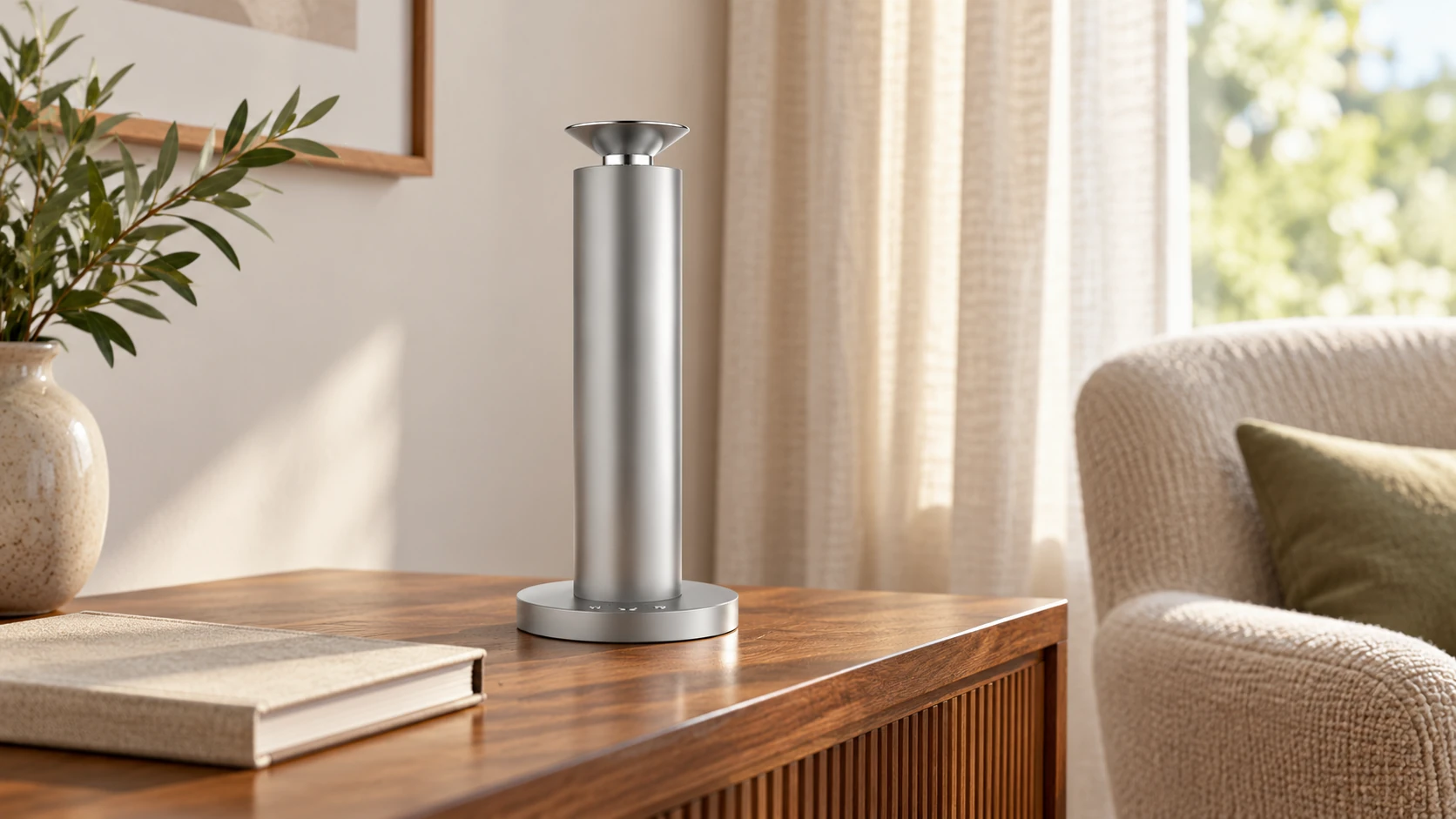
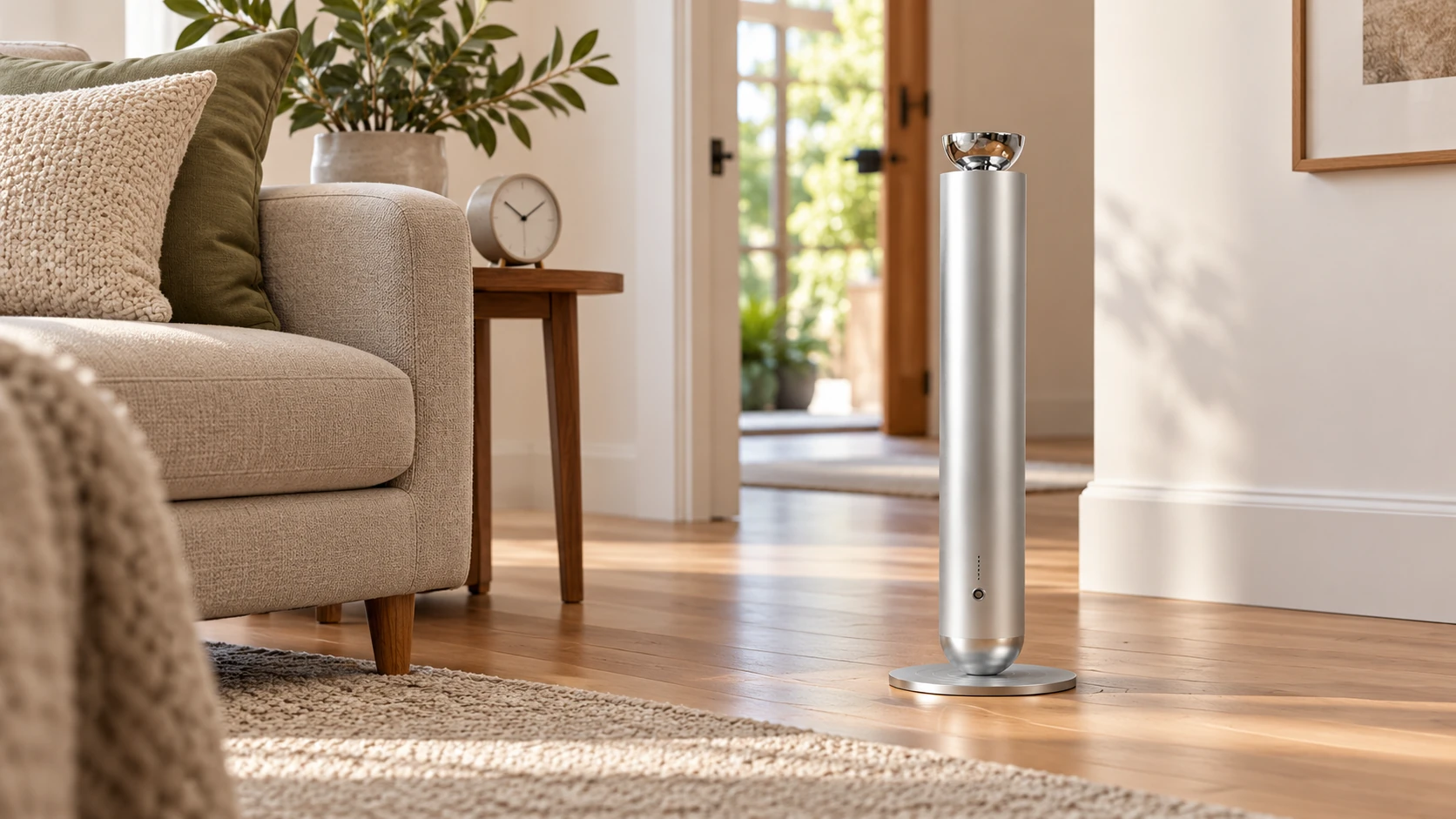
Images are AI-generated editorial scenarios based on Aromaprox product reference photographs. They are not test records, installation instructions or a statement of included accessories. Confirm the exact model, finish and current specifications before ordering.


