
Scent Diffuser Noise Levels Explained: Choosing the Right dB Range
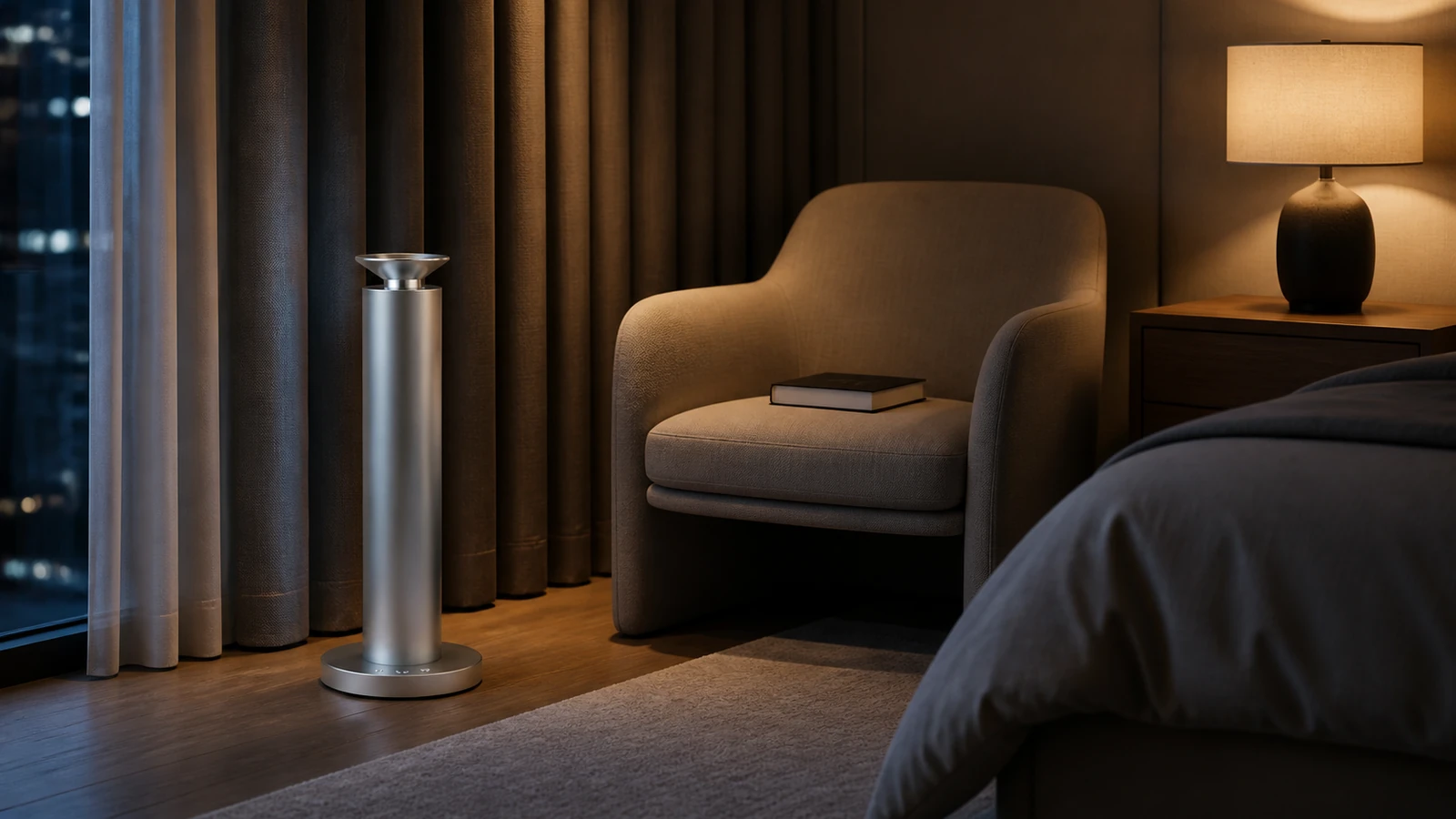
Scent diffuser noise level matters most in quiet rooms such as bedrooms, spa suites, private offices and consultation spaces. A single dB figure is useful only when the test distance, background level, operating mode and measurement method are known.
1. Understand What the dB Value Represents
Decibels use a logarithmic scale, so values should not be treated like simple linear units. Product values may also be A-weighted or measured under different laboratory conditions. Ask for the test condition when quiet operation is a critical requirement.
2. Measure the Background First
Record the room with the machine off, then repeat at the same position with the machine running. HVAC, traffic and appliances may dominate the result. In a busy reception, a small device sound can be masked; in a bedroom at night, the same sound may be noticeable.
3. Use a Consistent Test Setup
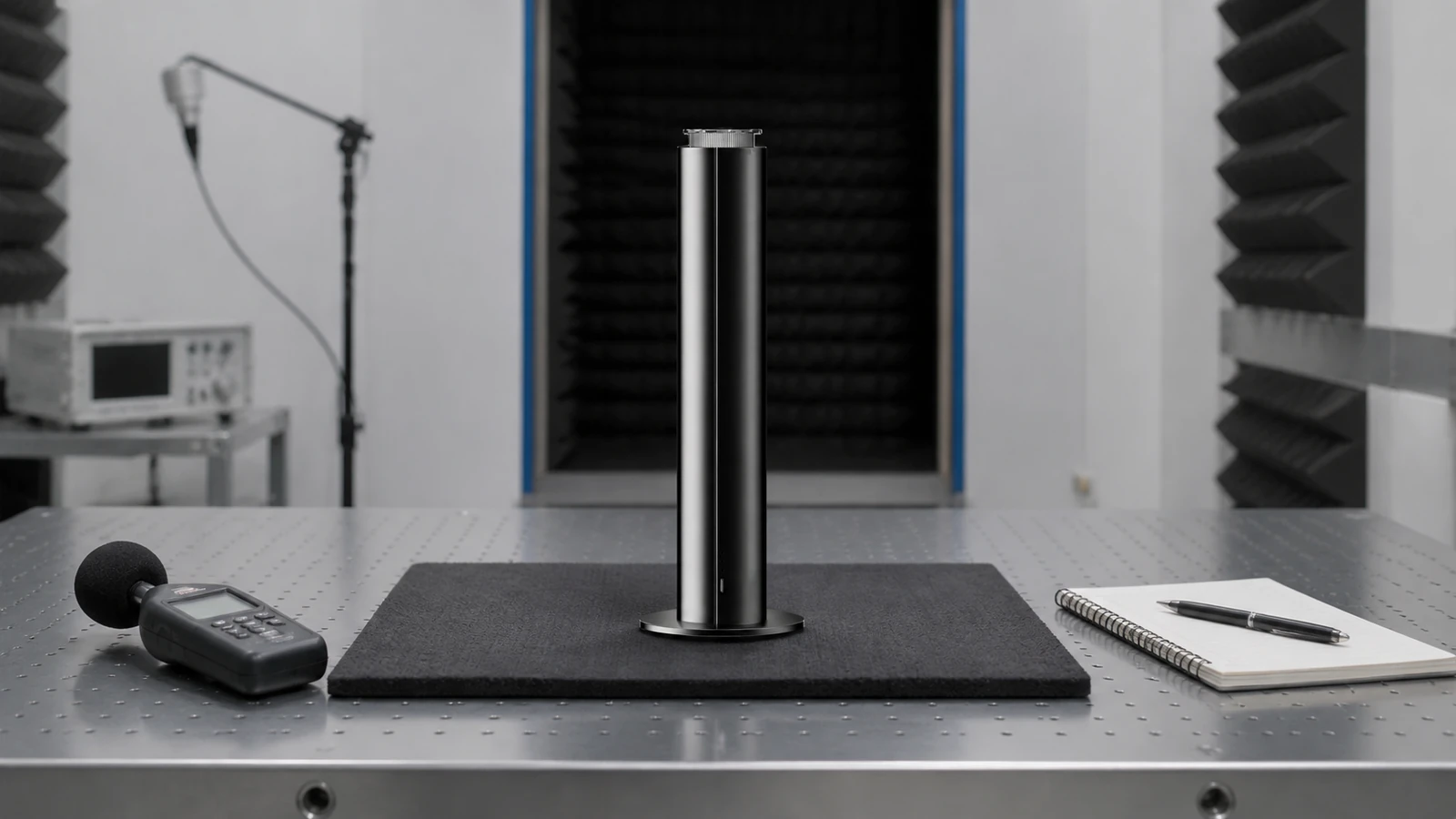
- Use the intended installation surface.
- Set a fixed measurement distance.
- Test the planned operating setting.
- Record steady and intermittent sounds.
- Repeat after doors and ventilation change.
4. Evaluate Sound Character
Two products with similar readings may sound different. Tonal whine, vibration and abrupt cycling are often more noticeable than smooth broadband sound. Check whether furniture, walls or hollow shelves amplify vibration.
5. Match the Product to the Space
Prioritize quieter formats for sleeping, treatment and focused-work areas. For active retail or gym zones, maintenance and coverage may carry more weight. Review current model data on the home diffuser and business diffuser pages.
6. Document the Approved Condition
Save the machine setting, position, mounting surface, distance and background condition. For occupational-noise context and measurement fundamentals, consult NIOSH noise resources; do not use a diffuser measurement as a substitute for a workplace-noise assessment.
Implementation Checklist
Before rollout, turn the recommendations into a written site plan. Record the intended zone, product model, exact position, approved fragrance, starting program, operating hours and person responsible for refilling and inspection. Photograph the approved installation and retain the current product instructions with the maintenance record.
- Confirm the objective and target zone.
- Verify the current product specification.
- Review airflow, access, power and safety.
- Begin with a conservative program.
- Evaluate at more than one time of day.
- Collect feedback from new visitors as well as staff.
- Record oil use, maintenance and setting changes.
- Review the plan after layout, season or ventilation changes.
A documented baseline prevents different locations or team members from making uncoordinated changes. It also provides first-party operating data that can improve future product selection, refill forecasting and multi-site quality control.
Frequently Asked Questions
What is a quiet scent diffuser noise level?
There is no universal threshold for every room; compare the device against the actual background and intended use.
Why is the diffuser louder on a shelf?
A hollow or unstable surface can amplify vibration and intermittent operating sounds.
Should I test only at the lowest setting?
Test the highest setting the site is likely to use as well as the normal program.
Can phone apps replace professional meters?
They may help with screening, but critical specifications should use suitable calibrated equipment and documented conditions.
Choose Quiet Performance With Context
Confirm the current noise specification for the exact model and test it in the intended room before rollout.


