
Aroma Diffuser End-of-Line Testing: What Should Be Checked?
Aroma diffuser end of line testing should be defined before a production order reaches final assembly. The useful question is not simply whether a factory tests its products, but what it checks, how it decides pass or fail, and which units the record covers. This guide is a proposed purchasing framework. It does not claim that Aromaprox performs any unverified test on every unit.
1. Separate functional testing from other quality activities
Functional testing evaluates an assembled product's intended operation. NI: Manufacturing Test and Functional Testing A visual inspection, a sampled shipment review and a long-duration reliability study answer different questions. Ask the supplier to label each activity and identify its coverage. If a report concerns a few samples, do not describe it as proof that every shipped unit passed the same check. Keep regulatory and market-access requirements in a separate approved compliance plan.
2. Translate the ordered configuration into a test list
Start with the approved specification and sample revision. Identify the functions actually included: power input, physical controls, indicators, applicable operating modes and any specified wireless control. Do not add features that the purchased configuration does not have. Define which accessories are included in the test and whether the supplied adapter is checked with the unit. A clear list prevents a generic checklist from overlooking a customized function.
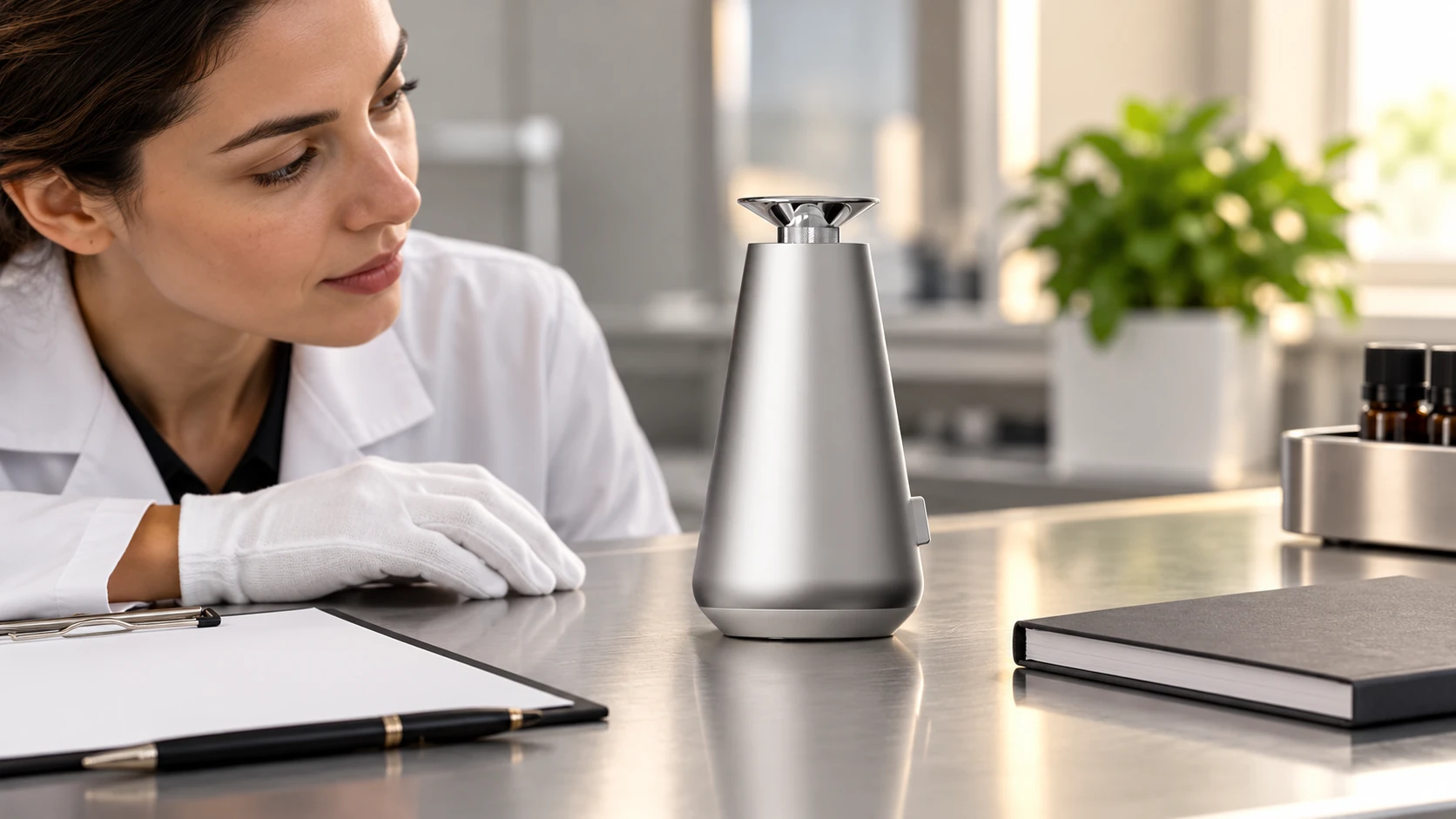
3. Define methods and acceptance criteria
For each function, document the setup, sequence, observation or measurement, and the allowed result. Specify any test fluid, quantity and handling procedure through the manufacturer's approved method. A fragrance smell check alone is not a quantitative output test. Any measured output, sound or electrical value needs suitable equipment, conditions and agreed limits. Avoid inventing a universal threshold for all diffuser technologies, sizes and operating profiles.
4. Specify coverage and traceability explicitly
Ask which checks apply to every unit and which use an agreed sampling plan. Link records to the unit or production lot at the level the contract requires. Useful fields include product revision, test date, station, method version, result and disposition. A photograph of a workbench is not a traceable record. If the supplier provides a summary rather than raw results, establish what the summary represents and how exceptions can be investigated.

5. Control failures, repairs and retests
A failed unit needs a defined disposition rather than repeated attempts until one result passes. Agree who can authorize repair, what must be recorded and which checks are repeated afterward. Preserve the original failure information alongside the final result. Changes to firmware, components or assembly methods may require review of the test plan. Keep production release authority clear so unresolved exceptions are not silently included in a shipment.
6. Review evidence before approving the shipment
Request an example record early, then compare the shipment evidence with the agreed model, revision, quantities and test coverage. Clarify discrepancies before release. End-of-line checks can support a quality decision but do not prove long-term reliability, fragrance compatibility in every environment or legal compliance in every market. Combine them with the separate activities your project requires, and retain the approved plan for repeat orders and future product changes.
Frequently asked questions
Is end-of-line testing the same as shipment sampling?
No. A unit-level functional check and a sample-based lot decision have different coverage. The purchase agreement should identify which methods are used and what each result represents.
Does a passed functional test prove regulatory compliance?
No. Functional checks do not replace the applicable compliance assessment, documentation or testing required for the intended market and product configuration.
Can one checklist cover every diffuser model?
A common framework can help, but the actual functions, accessories, methods and acceptance criteria must match the approved model and revision.
Plan your next step
Discuss a model-specific acceptance plan with Aromaprox before an OEM order. Ask for written confirmation of test coverage and sample records instead of assuming a particular factory practice.
Related resources
Sources and further reading
Images are AI-generated editorial scenarios based on Aromaprox product reference photographs. They are not test records, installation instructions or a statement of included accessories. Confirm the exact model, finish and current specifications before ordering.


