
Aroma Diffuser Production Lead Time: Milestones and Delays
Aroma diffuser production lead time is meaningful only when the start and finish are defined. A quote may count from deposit receipt, final sample approval or the release of all production files. It may end at assembly completion, inspection release or handover to a carrier. Those are different commitments.
1. Establish a real start date
Create a production-release checklist before treating an order as started. Depending on the project, the supplier may need an accepted purchase order, agreed payment, a signed specification, approved artwork, final accessory selection and approved packaging files. Confirm which conditions actually apply to your order.
A deposit alone does not prove that all inputs are ready. If a manual language, logo position or power accessory is still undecided, assign an owner and due date. Use the sample approval guide to close the product baseline before building a production schedule around it.
2. Track milestones rather than one delivery promise
| Milestone | Evidence that the step is complete | Common dependency |
|---|---|---|
| Specification release | Signed revision and closed open questions | Buyer and supplier approval |
| Material readiness | Required parts and packaging available for the planned batch | Component purchasing and artwork |
| Pilot or first-off review | Agreed check completed and findings resolved | Representative product and inspection criteria |
| Assembly and routine checks | Batch progress and test records | Materials, capacity and work instructions |
| Final inspection | Report and disposition of any findings | Finished goods available |
| Dispatch readiness | Packed quantities and handover documents confirmed | Release approval and collection booking |
For an established DecoPlus configuration, the task list can differ from a structurally modified design. The product reference identifies the platform; it does not by itself establish a delivery date. Ask for the schedule tied to your actual order revision.
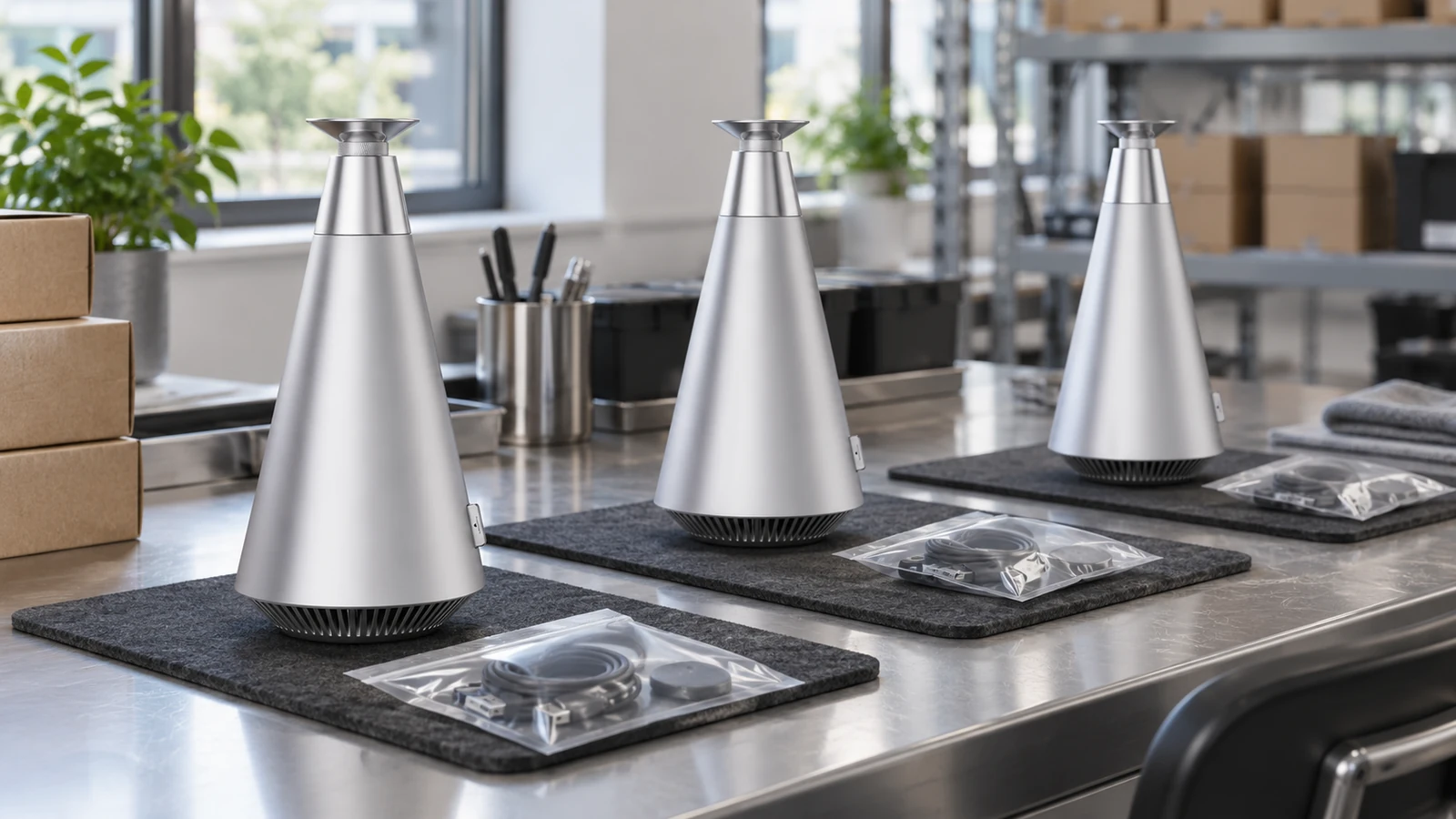
3. Understand parallel work and the critical path
Some tasks can run together. Packaging printing and standard accessory purchasing may proceed in parallel after their respective approvals. Others cannot: final packing depends on approved packaging and completed units. Adding every supplier estimate together can exaggerate the timeline, while assuming everything overlaps can make it unrealistic.
Consider an illustrative planning exercise, not a factory commitment. If two approved material streams take 12 and 18 working days in parallel, material readiness follows the 18-day stream. If assembly and release then require 6 and 3 sequential working days, the chain totals 27 working days before transport. Count from the same starting condition and use the actual working calendar.
4. Keep factory completion, dispatch and receipt separate
Ask the supplier to identify what “ready” means. Finished units may still require inspection, corrective work, final packing or collection. Freight availability, transit and local receiving are additional dependencies. A marketing launch needs stock that is received, checked and available to sell, not merely a photograph of completed machines.
Maintain separate planned dates for production completion, release, carrier handover and warehouse availability. The logistics provider should confirm transport assumptions. If an arrival estimate changes, update the customer-facing plan instead of quietly moving the production milestone to make the report appear on time.

5. Build a weekly exception tracker
| Task | Baseline date | Current forecast | Blocker / owner | Next action |
|---|---|---|---|---|
| Artwork approval | Agreed date | Latest estimate | Buyer design owner | Return approved file |
| Material readiness | Agreed date | Latest estimate | Supplier purchasing owner | Confirm missing part |
| Batch release | Agreed date | Latest estimate | Quality owner | Close inspection finding |
| Carrier handover | Agreed date | Latest estimate | Logistics owner | Confirm booking |
The original baseline should stay visible when the forecast changes. Request evidence appropriate to the milestone: approved files, material status, test results or a release record. A general statement that production is “almost finished” cannot show which remaining dependency threatens the dispatch date.
6. Reduce avoidable delays without skipping controls
Consolidate buyer feedback into one review, freeze specifications before release and agree response deadlines. Confirm holidays and capacity constraints with the supplier. Avoid late color, accessory or firmware changes that restart previously completed work. If a change is essential, request its effect on cost, testing and timing before approval.
A repeat order may need fewer development steps, but availability and capacity still require confirmation. Reserve a contingency based on the uncertainties of the actual project rather than promising a universal number of days. Aromaprox customization projects should be scheduled against the confirmed configuration and current production plan.
Frequently Asked Questions
When does aroma diffuser production lead time start?
It starts at the event agreed for the order. Confirm whether that means payment, final specification approval, material release or the completion of several start conditions.
Does production lead time include shipping?
Not automatically. Define assembly completion, release, dispatch and arrival separately in the quotation and project schedule.
Are repeat orders always faster?
Not necessarily. An unchanged design can reduce development work, but component availability, packaging, quantity and production capacity still affect timing.
Can a buyer request a fixed lead time before approving artwork?
A preliminary estimate is possible, but it should show assumptions and unresolved inputs. A firm baseline needs agreed start conditions and responsibilities.
Discuss Your Next Order
For an order-specific timeline, send the model, quantity, customization scope and required warehouse date to Aromaprox. Ask for a milestone plan with explicit approval and material assumptions.
Product references identify Aromaprox models; specifications and commercial terms require order-specific confirmation. Images are AI-generated editorial illustrations based on product references, not documentary photographs of a factory or shipment.